The Bathroom Scale Illusion
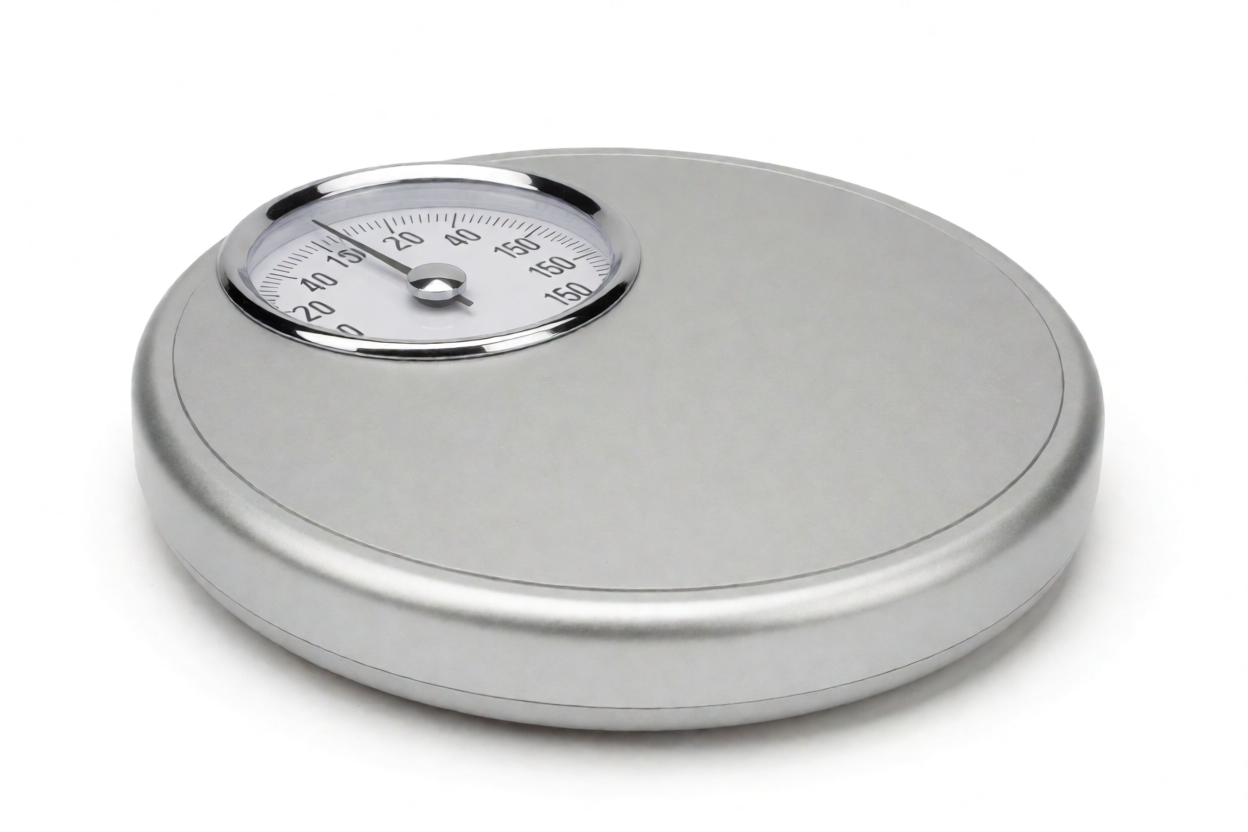
Few experiences in fitness are as frustrating as putting in consistent work at the gym, eating well, and stepping onto the bathroom scale only to see the number refuse to budge.
This common hurdle highlights a fundamental flaw in relying solely on standard scales: total body weight cannot differentiate between changes in lean muscle, body fat, or routine fluctuations in hydration. When you track success using only a single, unrefined number, you remain blind to the meaningful physical transformations taking place beneath the surface.
To break free from this illusion, data-driven assessments offer a clear, actionable path forward. By utilizing advanced body composition testing scottsdale methods, such as the proof3 Assessment at proof3 Salt River, you can replace guesswork with precise physical metrics. Evaluating your full composition shifts the focus away from scale anxiety and toward building real, sustainable strength and capability.
1. Why Your Scale Weight Is Lying to You (and What InBody Tracks Instead)
A standard scale measures only one variable: gravity's pull on your whole body. It blends bone density, fluid levels, organs, body fat, and muscle mass into a single figure. If you build lean muscle while simultaneously burning fat, your scale weight may stay completely static, even as your physique, metabolic efficiency, and strength improve significantly.
Advanced body composition testing, such as an InBody scan, analyzes your physical makeup with far greater detail. Rather than measuring overall weight, these scans evaluate estimated muscle mass and fat distribution across different body segments. Establishing an accurate baseline gives you full visibility into structural changes over time, proving that your hard work is paying off even when the bathroom scale stays quiet.
2. Demystifying "Phase Angle": The Cellular Integrity Indicator
When reviewing an InBody assessment report, members often notice a metric called "Phase Angle." While the term sounds technical, it represents a simple electrical impedance measurement taken safely during the scanning process.
In simple terms, phase angle provides an indicator related to cellular membrane integrity.
Because phase angle is naturally influenced by a combination of factors—including age, sex, overall body composition, and current hydration status—it is not a standalone diagnostic score or a measure of direct cellular age reversal. Instead, understanding your phase angle within your personal baseline context gives coaches valuable physical insights to help tailor training programs to your starting point.
3. How Often Should You Test? (The 30-Day Progress Framework)
A frequent question for anyone adopting a data-driven training routine is: "How often should I test my body composition?"
Testing daily or weekly often captures temporary hydration shifts or digestive changes rather than genuine structural progress. To ensure data remains accurate and actionable, proof3 Salt River utilizes a structured reassessment framework built around the proof30 program—a dedicated 30-day coaching experience that combines two structured assessments, one-on-one lifestyle and nutrition planning, personal training, and coached small-group workouts:
- Day 0 (Baseline): Your initial proof3 Assessment maps your starting body composition, movement patterns, power output, and lifestyle habits.
- Day 30 (First Milestone Check): At the conclusion of the proof30 framework, a repeat assessment measures early physical adaptations and confirms how your body is responding to training.
- Periodic Full Reassessments: Comprehensive reassessments are typically scheduled every six months to track long-term progression.
- Interim InBody Scans: Members can request standalone InBody scans between primary assessment milestones to ensure their training and habits remain aligned with their goals.
Coaches use this repeat data to continuously refine exercise selection, training load, and lifestyle guidance, ensuring your program adapts dynamically as you gain strength.
4. Connecting the Dots: Combining Body Scans with Movement and Power
While body composition data is essential, physical fitness involves more than muscle and fat ratios alone. To create a full profile of your physical capability, proof3 Salt River evaluates four essential pillars during the proof3 Assessment:
- InBody Scans: To measure estimated muscle mass, fat distribution, and cellular integrity indicators.
- Computer-Vision Movement Tests: Evaluating biomechanics to generate a MOVE score that helps coaches select safer, more effective exercises.
- Proteus Testing: Measuring digital multi-planar strength and power output, expressed as Power Age to compare your power performance against reference data.
- Lifestyle Information: Reviewing habits around nutrition, recovery, and daily routines to support sustainable progress.
To synthesize these multi-dimensional inputs into a single progress marker, the system calculates the prf score™. The prf score brings assessment information together to help track fitness progress.
Taking Control of Your Fitness Baseline
Achieving lasting fitness results requires stepping away from scale-based obsessing and adopting a data-driven mindset centered on long-term capability. Tracking objective changes in body composition, movement efficiency, and power output delivers a true picture of your hard work.
If you are ready to stop guessing and start measuring real physical progress, explore the proof3 Assessment at proof3 Salt River in Scottsdale, Arizona. Establishing a clear baseline is the most effective first step toward living stronger for longer.
How could stepping away from the bathroom scale and focusing on real composition and movement data transform your personal approach to fitness?
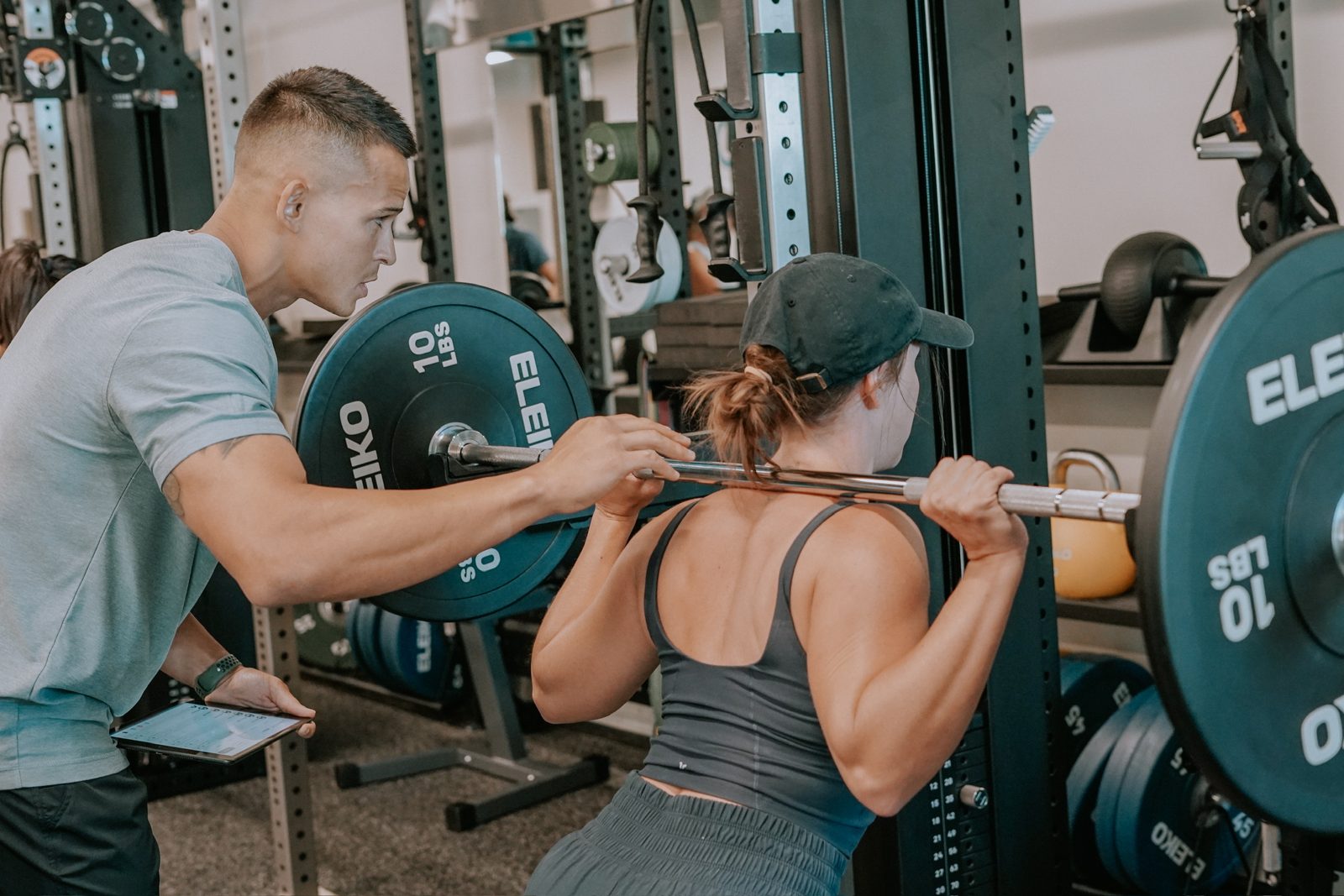
Grounding training sessions in objective data allows coaches in small-group settings to deliver precise load and movement adjustments for every participant—providing the personalized attention of 1:1 coaching within a supportive group environment.
Live Stronger For Longer
Replace guesswork with data-driven strength and endurance training built around how your body actually moves.
No commitment. A coach will call you back — usually the same day.