Have you ever noticed that as we get older, it is rarely raw, heavy strength that fails us first when catching a sudden stumble or popping up from a low chair; it is quickness? While strength is all about how much force you can exert, muscle power is about how fast you can generate that force. Understanding and training this explosive capability is one of the most effective ways to maintain daily vitality, recreational sports performance, and dynamic balance as the years add up.
In this lesson, you will explore:
- The critical biological distinction between muscle strength and muscle power.
- What broad scientific research reveals about muscle power and long-term vitality.
- How modern technology, such as Proteus motion testing, helps establish baseline power metrics compared against age-based reference data.
- How data-driven power training scottsdale programs use assessment information to tailor small-group coaching.
Strength vs. Power: The Motor Under the Hood
To understand why movement changes after age 40, imagine two different vehicles. A heavy-duty tractor has immense strength—it can tow heavy loads without breaking a sweat, but it moves slowly. A sports car, on the other hand, possesses power—it can convert energy into rapid acceleration in a fraction of a second.
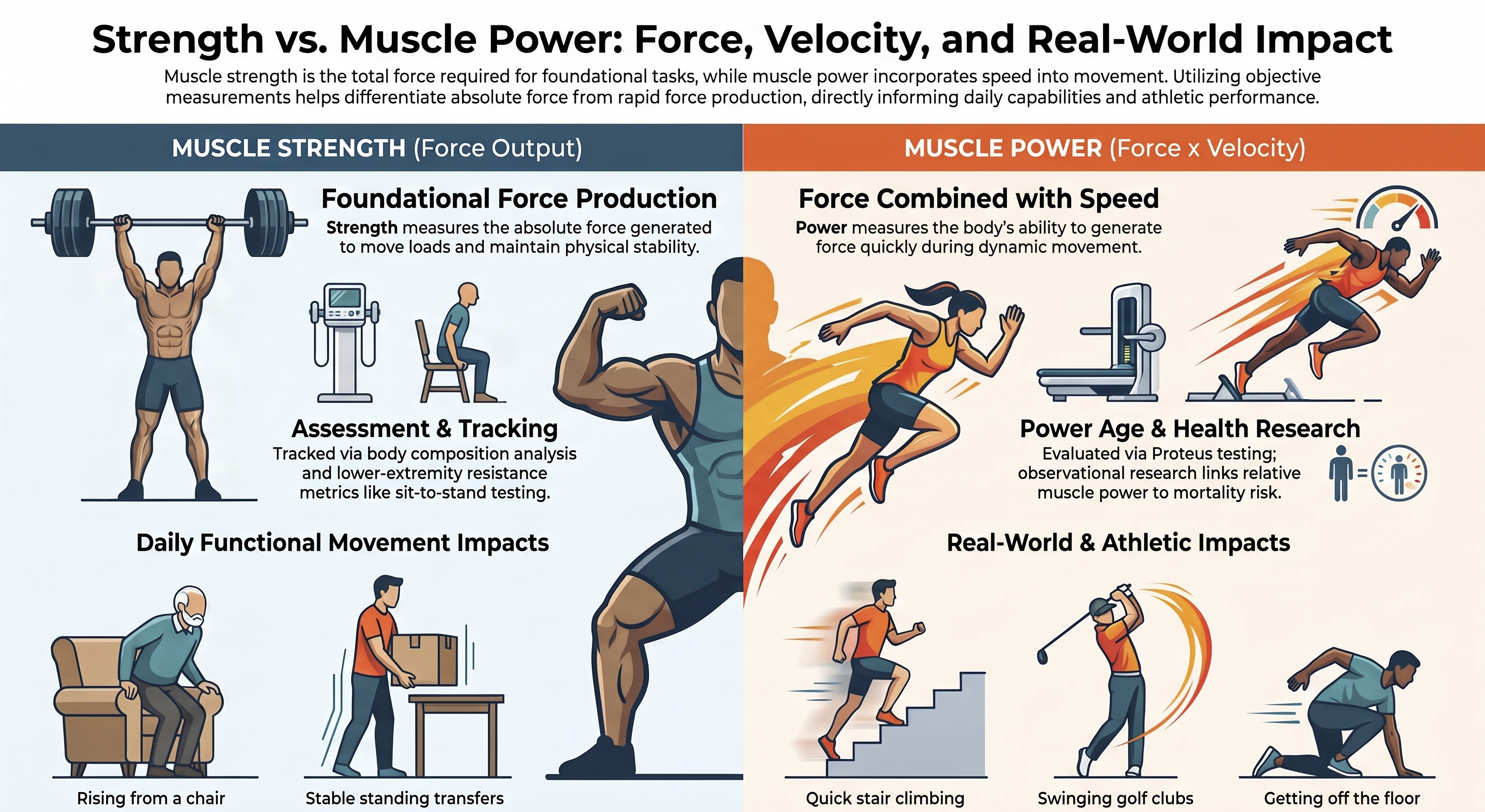
In human physiology, mechanical power is mathematically defined as Force × Velocity.
- Strength is the maximum amount of force your muscles can exert against resistance (like lifting a heavy suitcase).
- Power is how quickly you can apply that force (like snapping your arms to swing a golf club, reacting to a pickleball shot, or stepping swiftly onto a curb).
Under the hood of your musculoskeletal system, this capacity relies heavily on Type II (fast-twitch) muscle fibers. As adults age past 40, Type II muscle fibers tend to atrophy at a faster rate than slow-twitch fibers if they are not intentionally stimulated. While basic strength training helps preserve muscle mass, targeting velocity specifically keeps these fast-twitch motors recruited and responsive.
What Scientific Research Reveals About Muscle Power
Exercise scientists have increasingly shifted their attention from total muscle size to dynamic muscle quality. Epidemiological evidence highlights why maintaining muscle power is so vital as we navigate middle age and beyond.
For instance, a published observational cohort study involving 3,889 adults aged 46 to 75 linked higher relative muscle power with lower mortality risk.
Note on Research Guardrails: It is essential to recognize that this is general observational scientific research linking broad muscle power to health outcomes. It demonstrates correlation in large population studies rather than proving that training at any specific gym causes a longer life.
Why does power decline faster than strength? Research indicates that without targeted exercise, explosive muscle power wanes at nearly double the rate of maximal static strength as adults age. This rapid decline impacts dynamic postural control, making quick reactions harder when balance is compromised. Keeping muscle power active is therefore a key focus for individuals seeking sustained physical independence and performance in adult recreational sports.
Objective Measurement: Proteus Testing and Power Age
Historically, testing explosive power required complex laboratory force plates or moving heavy free weights at high speeds, which carried safety risks. Today, specialized 3D resistance technology makes power assessment accurate, safe, and accessible.
At proof3 Salt River (located at 9220 E Via De Ventura, Suite 121, Scottsdale, AZ 85258), power testing is integrated into the baseline assessment protocol using Proteus motion testing. Proteus uses patented magnetic resistance to measure energy output across 3D movement patterns—mimicking natural human motions like throwing, pushing, rotating, or swinging.
Key measurement outputs include:
- Power Output: Measured in watts across multiple multi-planar movement patterns.
- Power Age: An age-based metric generated by comparing an individual's movement power against population reference data.
Understanding the Scope: Proteus testing helps show how your power compares with age-matched reference standards. It is an educational starting point and progress-tracking tool, not a clinical measure of biological age or a predictor of lifespan. By establishing this benchmark, coaches can pinpoint performance gaps—such as rotational imbalances or lower explosiveness—and guide exercise intensity safely.
Power Training in Scottsdale: From Data to Daily Movement
If you are asking, “Where can I get my strength or power tested in Scottsdale?” or “What kind of training actually improves movement-related performance as I get older?”, the answer lies in connecting objective assessment data to coached practice.
Effective power training scottsdale routines do not require lifting extreme weight. Instead, they focus on coached intent and velocity.
At proof3 Salt River, assessment findings from the proof3 Assessment (which aggregates body composition, movement quality via computer vision, and power performance into a composite prf score) directly inform how coaches adjust training loads in small-group sessions:
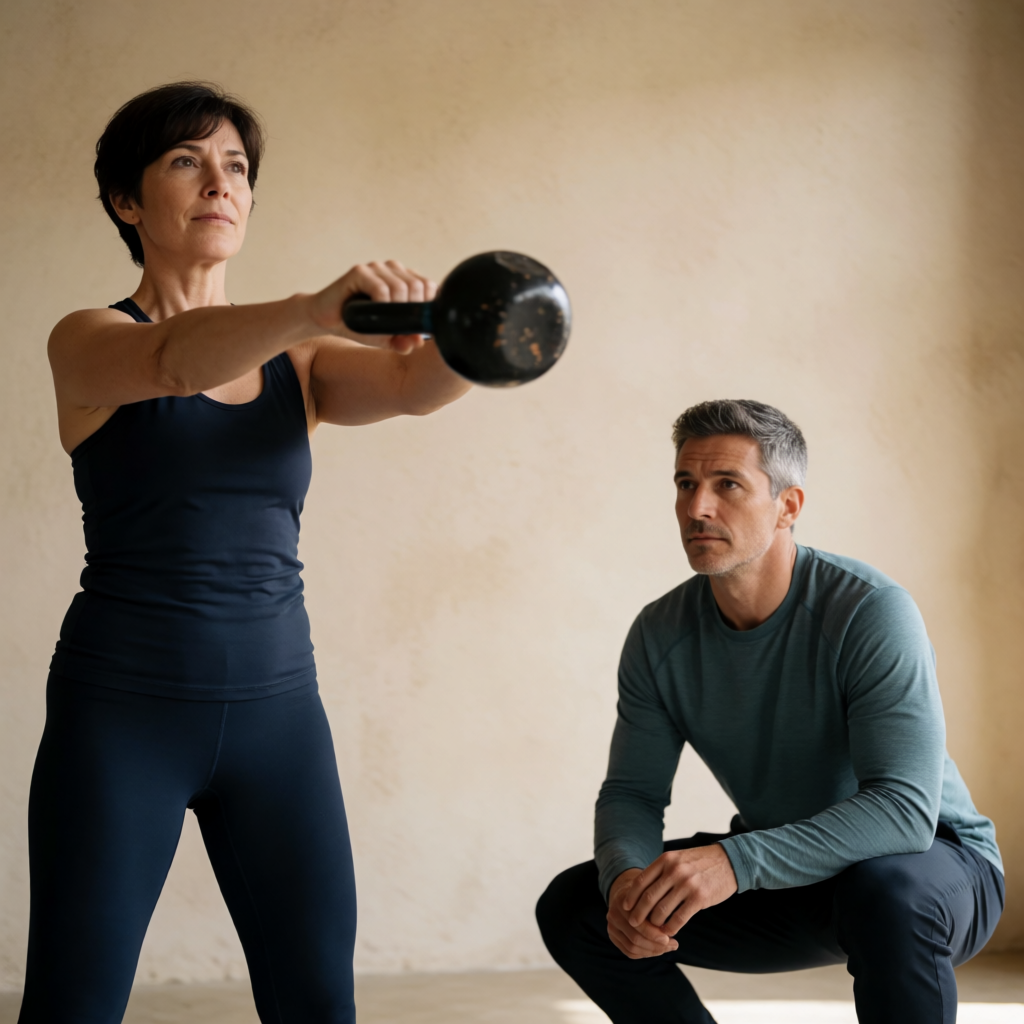
- Intense Focus on Velocity: Workouts like the signature 60-minute 30/30 session split time between strength and endurance. During power segments, coaches guide members to move light-to-moderate loads with controlled, explosive intent.
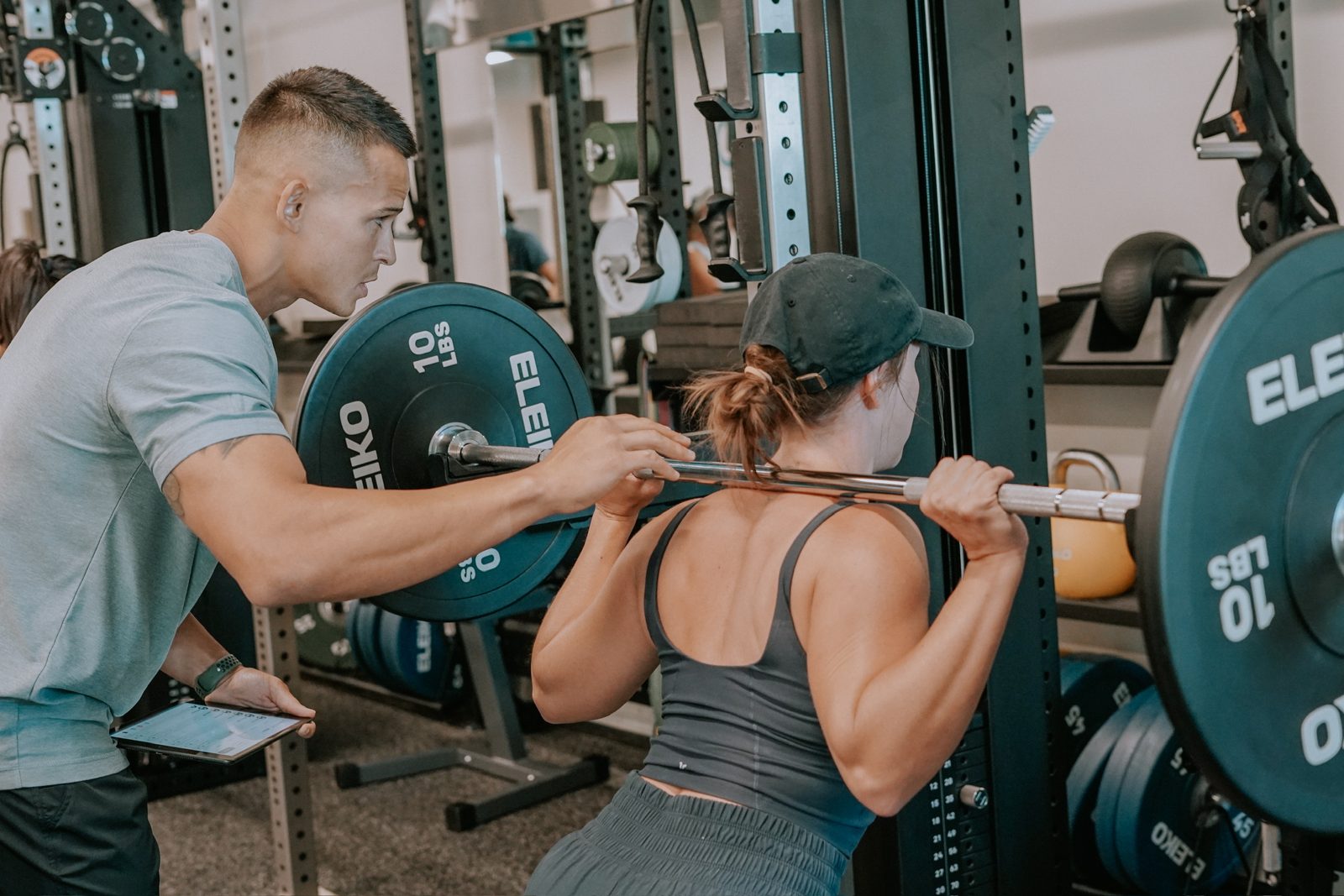
- Personalized Adjustments: In intimate small groups, coaches monitor form and adjust resistance so individuals build power without overloading joints or compromising injury rehab.
- Translating Assessment to Lifestyle: Improved power directly supports real-world outcomes—whether that means increasing clubhead speed on the golf course, moving nimbly across a pickleball court, or getting up off the floor smoothly.
Muscle power, the product of force and speed, is a distinct and vital dimension of physical capability that declines faster than raw strength after age 40. By utilizing advanced 3D testing tools like Proteus to establish a baseline, coaches can tailor strength and endurance routines that help you maintain agility, athletic performance, and everyday movement responsiveness.
Key Takeaways:
- Power = Force × Velocity: Power reflects how quickly your fast-twitch muscle fibers can generate force, making it central to fast movements and balance recovery.
- General Research Links: Large cohort studies associate higher relative muscle power with overall functional health, underscoring power as a vital fitness marker.
- Proteus & Power Age: Tools like Proteus provide an objective measurement of power, offering a comparative baseline against reference population data.
- Data-Driven Coaching: Combining structured assessment data with small-group coached training allows for safe, personalized adjustments that improve dynamic capability on the court, on the field, and in daily life.
Live Stronger For Longer
Replace guesswork with data-driven strength and endurance training built around how your body actually moves.
No commitment. A coach will call you back — usually the same day.