A gym can display many numbers without helping you understand whether training is working. Useful progress tracking connects your goal, a meaningful starting point, the work you complete and a decision about what to do next.
When comparing Scottsdale gyms, ask to see that process in ordinary language. You do not need the most elaborate dashboard. You need a clear explanation of what is measured, how it is compared and why it matters to you.
Start with the goal the measurement serves
If you want to become stronger, ask how exercises, resistance and repetitions are recorded. If your priority is maintaining an active routine, attendance and the ability to repeat the program may deserve attention. A body-composition scan answers another set of questions.
Ask, “Which measure would you use for my goal, and what would you do differently because of the result?” A useful answer should connect the information to a training decision, not simply describe the machine.
Check how the baseline is established
A starting assessment should include a conversation about experience, current activity, relevant restrictions and priorities. Ask what tests are included, whether they are appropriate for you and how the findings are explained.
Compare the provider's description with our guide to what a fitness assessment measures. Fitness testing can inform coaching, but it does not guarantee an injury-free program or replace a medical evaluation.
Ask how comparisons stay meaningful
Changing the exercise, equipment, movement range or test instructions can change the result. That may be an appropriate training change, but it also limits a direct comparison. Ask which conditions will stay consistent when reviewing progress.
For body-composition testing, ask about device choice, preparation and uncertainty. A study comparing multifrequency bioelectrical impedance with DXA illustrates why repeatability and accuracy are different concepts. A highly repeatable estimate is not automatically interchangeable with another method.
The provider should be willing to explain those limits without dismissing the information or presenting it as exact. A scan should add context, not become the only judge of progress.
Look for a complete coaching loop
Ask the gym to walk through a typical review:
- What was the original goal and starting point?
- What training did the member actually complete?
- What changed under comparable conditions?
- What other circumstances might explain the change?
- What will the coach keep or adjust next?
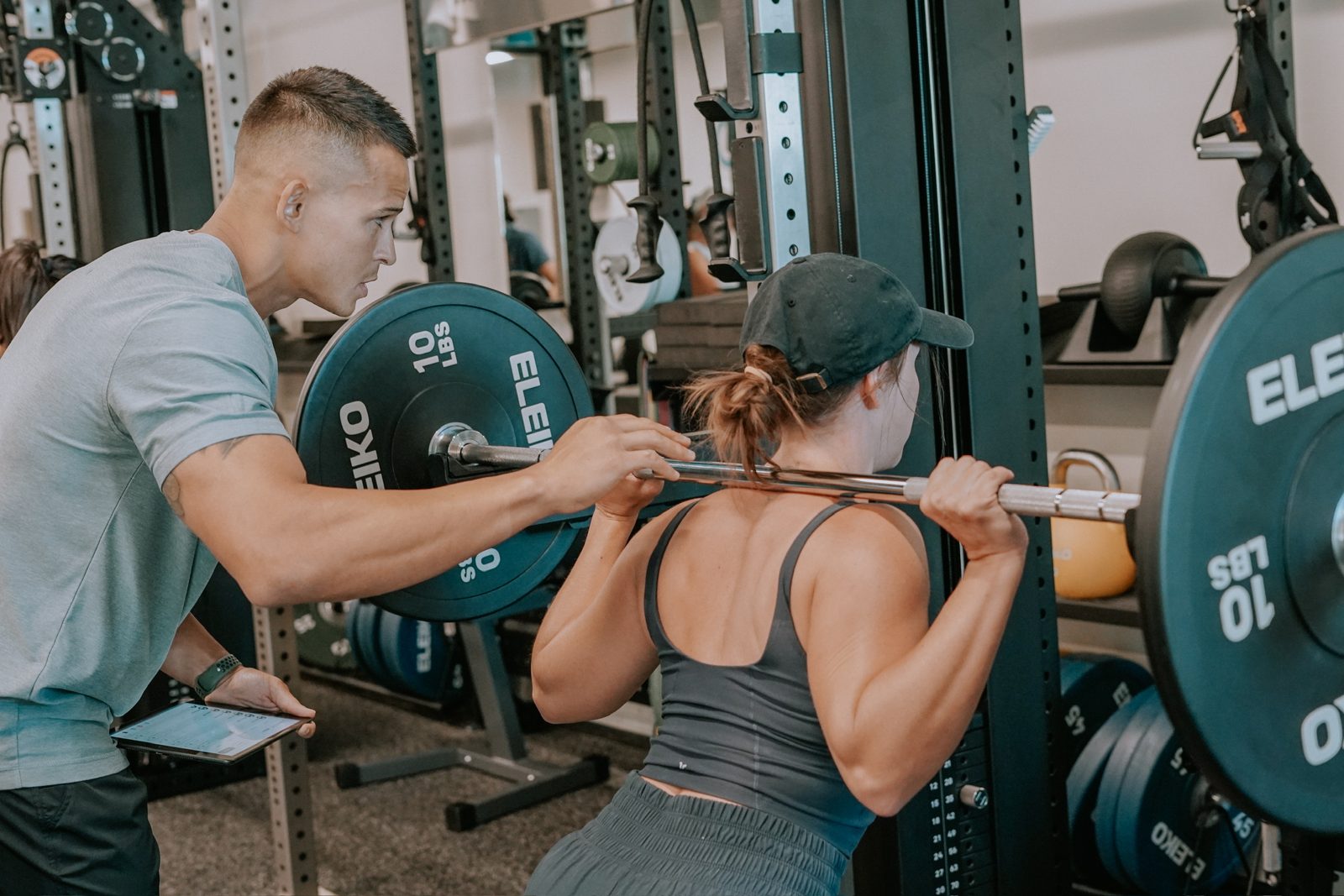
Our article on understanding strength-training progress gives examples of meaningful comparisons. A worthwhile review can happen even when a result is unchanged.
Review reassessment timing and cost
Ask which observations happen during ordinary sessions and which require a separate appointment. Clarify whether reassessment is included, how it is scheduled and what happens after an interruption or change in goals.
More frequent testing is not always more informative. A new scan every few days may create more uncertainty than clarity. The timing should have a purpose, and a coach should explain why a particular interval suits the measure.
Check privacy and practical access
Find out who can view your results, whether you can receive a copy and how coaching notes are used. You should be able to discuss concerns without a public comparison with other members. Also ask how records carry across coaches so each visit does not feel like a new beginning.
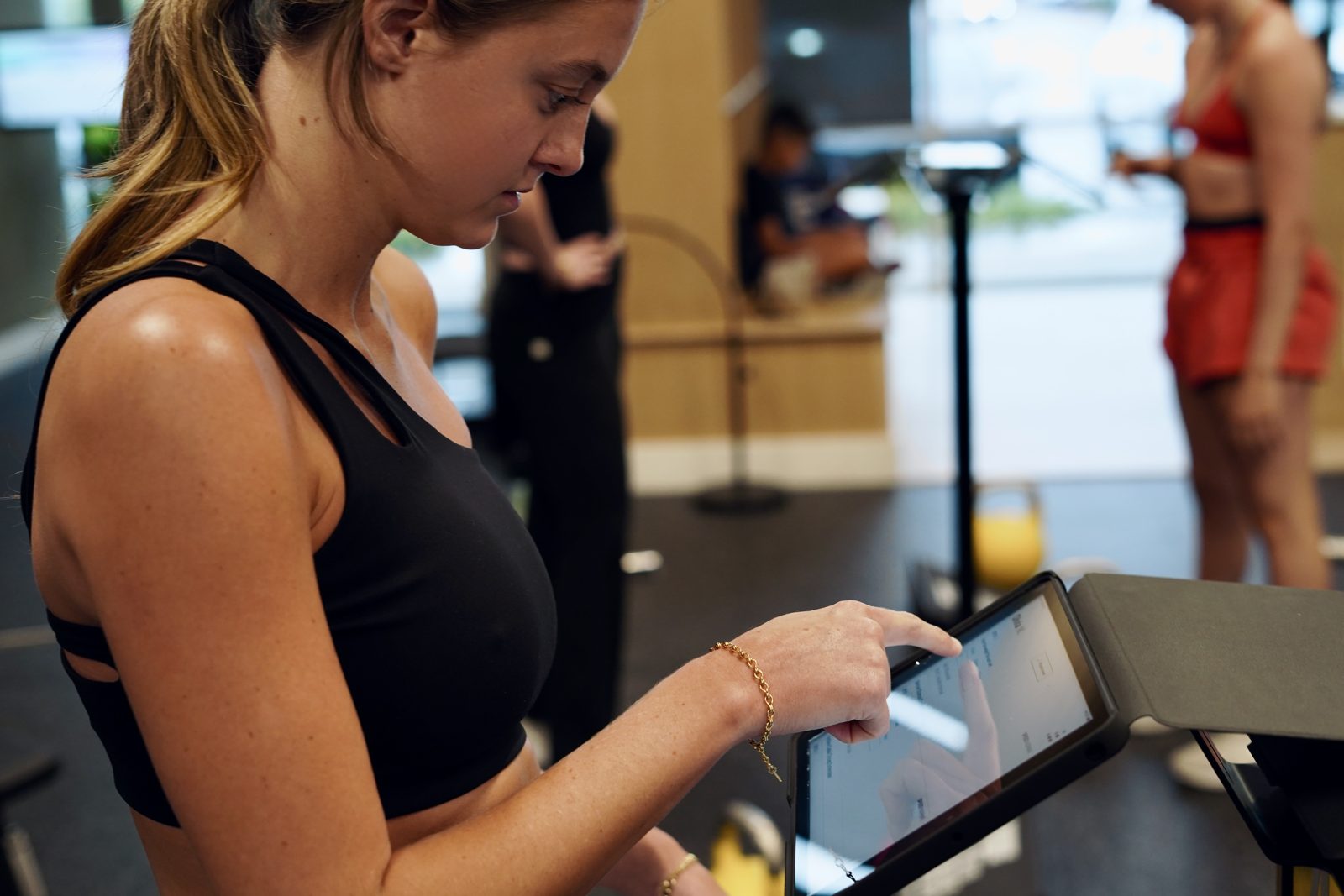
Useful technology should make the session easier to understand. It should not require you to interpret unexplained scores on your own.
Are progress guarantees a sign of better measurement?
Not by themselves. Read the exact service terms and distinguish a commercial guarantee from a scientific prediction about your body.
How does this work at proof3?
The proof3 Assessment combines several kinds of fitness information. Ask your coach how the underlying measures relate to your goal and how they will be reviewed alongside training.