A useful fitness metric helps answer a question. Are familiar exercises becoming more manageable? Can you sustain an activity you enjoy? Is your routine consistent enough to evaluate? The answer does not require tracking every number a device can produce.
After 40, start with your goals and current abilities rather than a universal test battery. A tennis player, someone returning to exercise and someone monitoring weight loss may need different comparisons.
Begin with what you want to do
Choose one or two priorities and ask which observations would show a meaningful change. Carrying luggage more comfortably is a practical goal; a particular dashboard score may or may not help explain it.
Use a small record you can maintain. It can include attendance, a few exercises, one appropriate endurance task and notes about the testing conditions. More data can create more noise when its purpose is unclear.
Track strength using comparable work
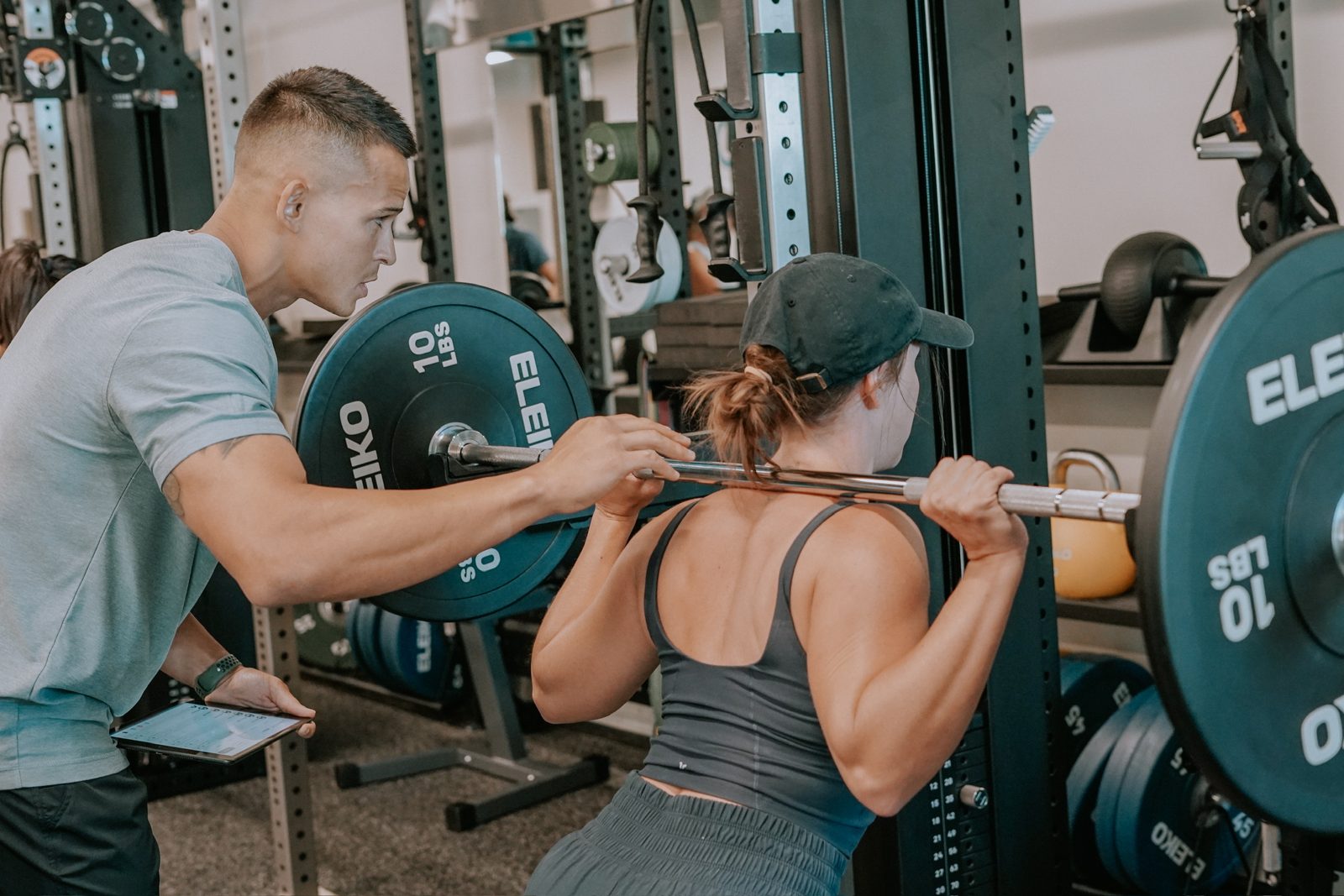
Record the exercise variation, equipment, resistance and repetitions, with a brief note about effort or control. Comparing the same task over time is more useful than comparing two different machines or a heavier weight moved through a shorter range.
Early improvements can include learning the task as well as changes in physical capacity. Ask your coach what the comparison supports. Our guide to measuring strength-training progress explains why the setup matters.
Review endurance with a repeatable task
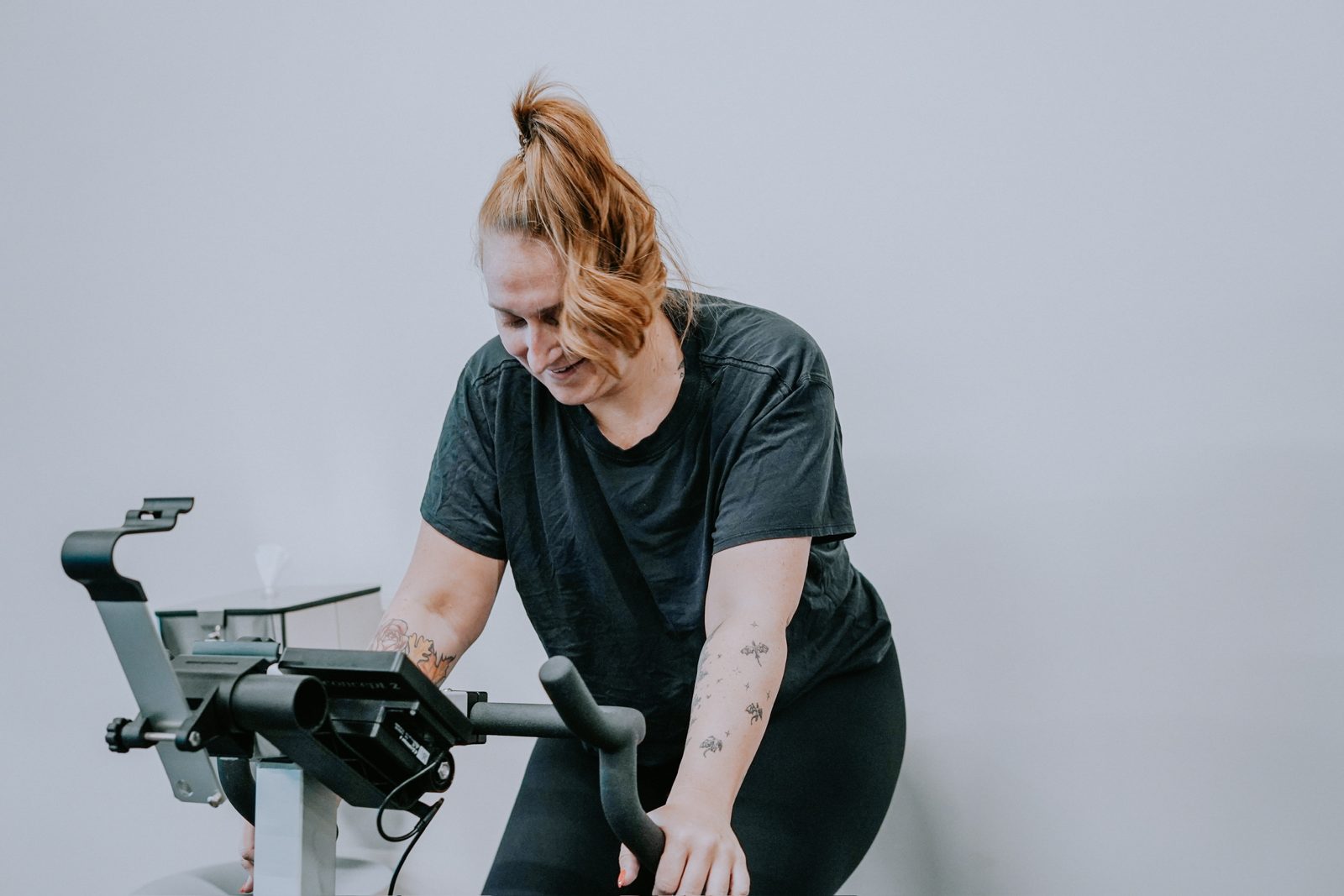
An appropriate walking, cycling or rowing task can show whether a familiar workload feels easier or whether performance changes under similar conditions. Record the mode, duration, pace or resistance and how demanding it felt.
Weather, illness, medication and equipment can affect interpretation. A faster time is not the only useful observation. Do not turn an endurance check into an all-out test without appropriate screening and supervision, especially if you have symptoms or relevant health concerns.
Keep movement and balance observations specific
Ask which movement is being observed and why it matters to your training. A change in how you perform a squat or reach can guide exercise instruction, but it does not diagnose the cause of a limitation.
Balance testing also needs a suitable environment and support. The CDC's guidance for adults 65 and older includes balance activity, but that does not make a single-leg test an essential unsupervised challenge for everyone over 40. If falls or a new balance problem are a concern, discuss them with a clinician.
Interpret body composition alongside performance
Body weight, fat mass, lean mass and skeletal muscle estimates describe different things. Compare the same method under similar conditions and investigate surprising results before changing the plan.
A controlled study of an InBody 770 found high repeatability alongside differences from DXA. The specific device and small healthy sample limit generalization. Reliability does not make every reading exact or interchangeable with another test.
Read the explanation of lean mass versus muscle mass before treating a change in one compartment as a direct measure of muscle gained or lost.
Understand a composite score's role
proof3's prf score combines information from several assessment areas. It can summarize a starting point and provide a reference for later review, but the underlying results still need explanation.
Do not treat the score as a diagnosis, a validated estimate of your lifespan or proof that every part of fitness improved. Ask which component changed and whether the testing conditions were comparable.
Review patterns rather than isolated days
Agree when to review the information and what would change the plan. Note interrupted attendance, different equipment or poor sleep. Persistent decline or new symptoms deserves attention, but a single difficult workout does not establish that training has failed.
How many metrics should I track?
Enough to answer your main questions without making recording a burden. A few consistent measures are preferable to an extensive collection you cannot interpret.
How can proof3 help?
The proof3 Assessment brings several kinds of information into a coaching conversation. Ask how each relates to your own goals before deciding what to track.
Live Stronger For Longer
Replace guesswork with data-driven strength and endurance training built around how your body actually moves.
No commitment. A coach will call you back — usually the same day.