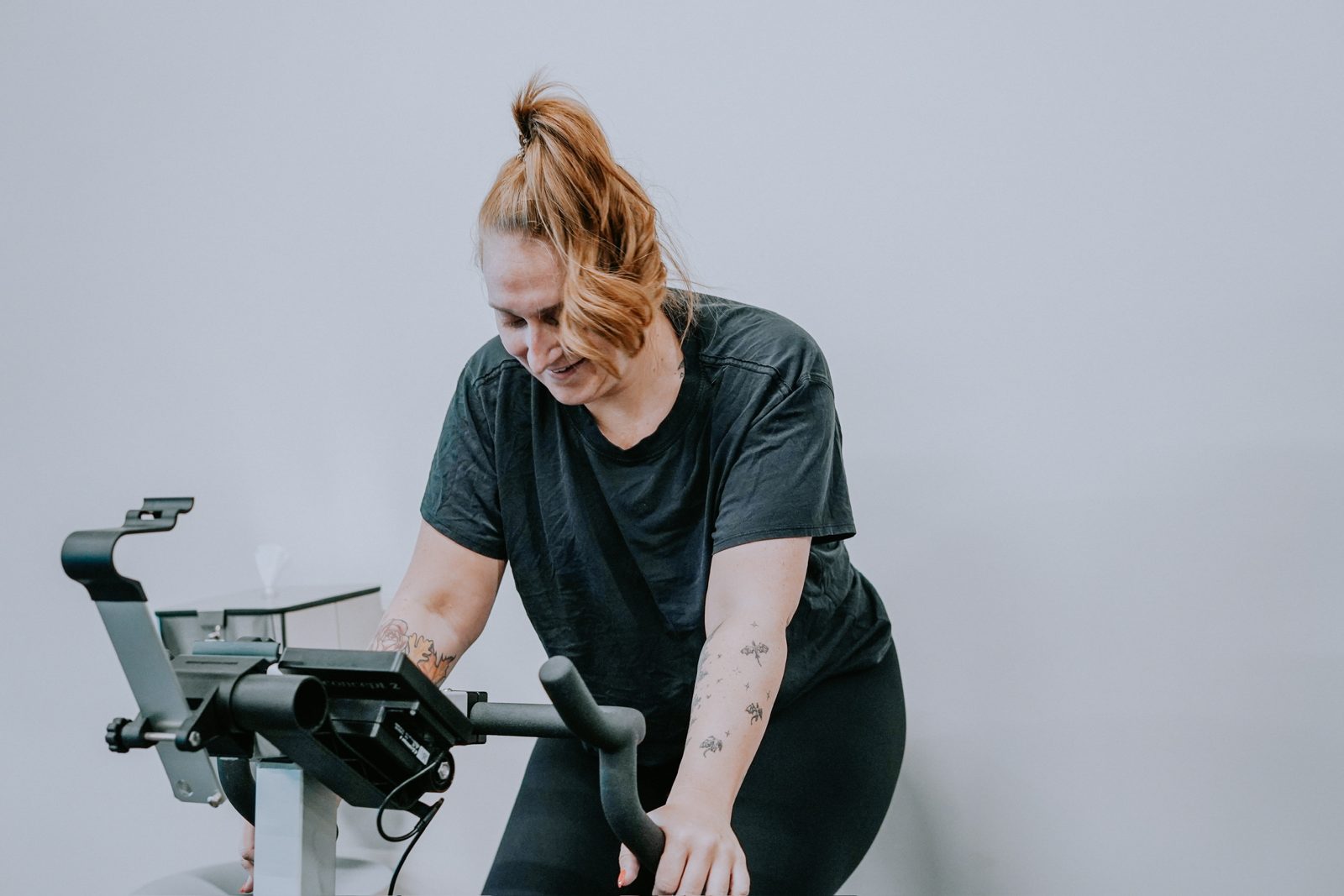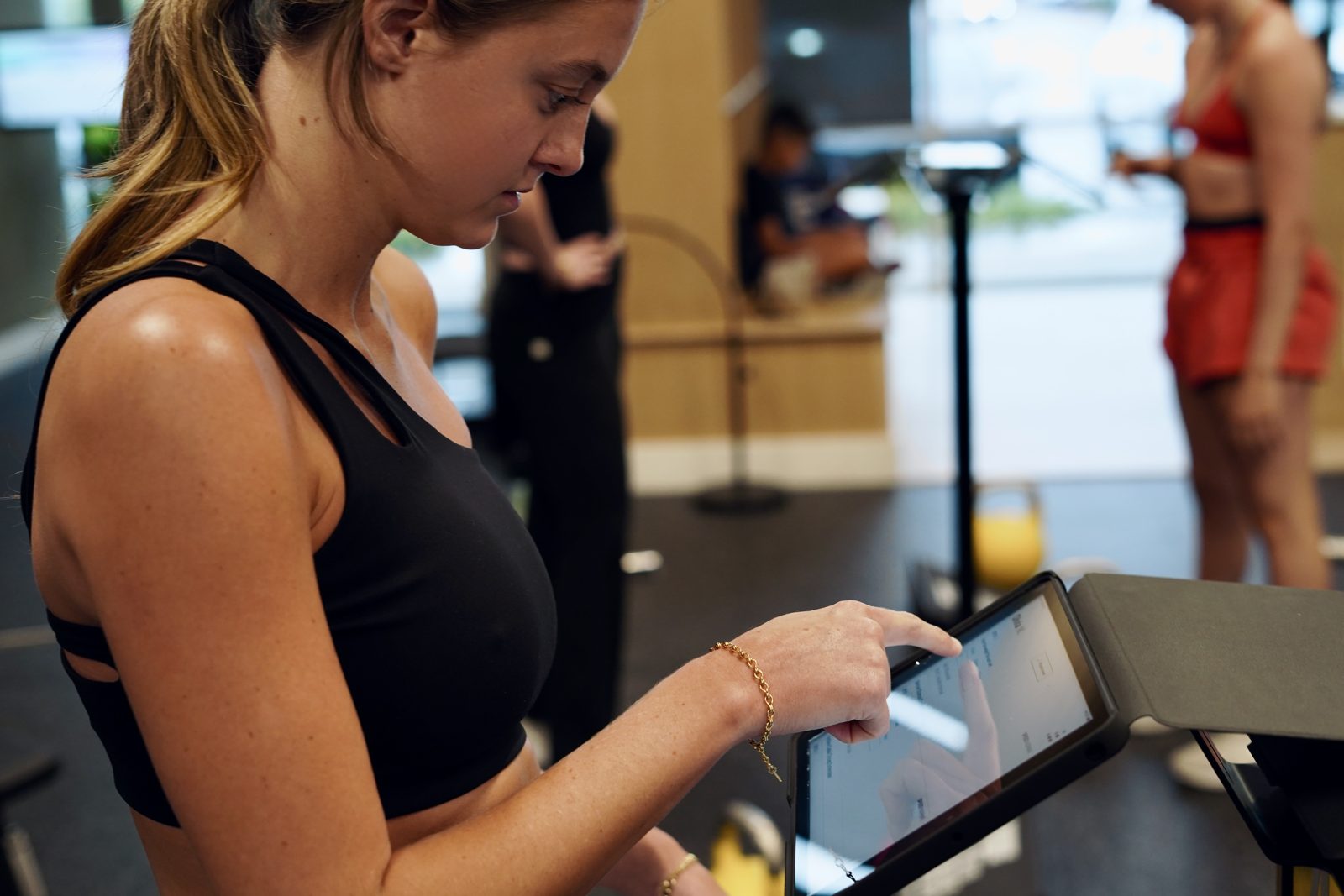
A holiday week does not have to look like a normal training week to be worthwhile. Travel, family plans and changing opening hours can make your usual schedule impractical. The useful response is to decide what you can repeat, rather than trying to squeeze an unchanged program into a different calendar.
Start by identifying what matters most: keeping some strength work in your week, enjoying walks with family or returning to the gym without making the first session a punishment. You do not need to earn meals through exercise or compensate for time away.
Plan the week you actually have
Mark travel days, long workdays and the occasions you want to enjoy. Then choose a small number of realistic training windows and one backup. Include the time needed to travel, change and recover, not just the session itself.
A reduced schedule is a planning choice, not a promise that every adaptation will be maintained. Adult activity guidelines include aerobic activity and muscle strengthening; shorter bouts of activity still count. Use that principle to keep moving when a full session is unavailable.
If you want help choosing a normal weekly structure, review how often to strength train. During an unusual week, tell your coach which parts of that structure you can realistically keep.
Prepare a gym plan and a travel plan
For days at home, book familiar sessions before the calendar fills. For days away, ask your coach for an option using the equipment you will actually have. A hotel gym, resistance bands and an equipment-free room require different exercise choices.
Keep the travel plan simple enough to remember: a few familiar movements, a clear stopping point and instructions for how demanding the work should feel. Do not substitute an unfamiliar advanced movement merely because a video makes it look convenient. If you have exercise restrictions, make sure the travel option respects them.
Use ordinary movement without turning every outing into training
A comfortable walk, an active family outing or a short break from sitting can fit into a busy day. Their value does not depend on producing a calorie total. Choose activities that suit your ability and the conditions.
For Scottsdale residents traveling to colder locations, account for daylight, ice and unfamiliar terrain. For local outdoor activity, check the actual weather rather than assuming the season makes every time of day comfortable. Skiing, hiking and other holiday activities also add physical demands; include them when deciding how hard to train.
Keep meals and sleep practical
Regular meals, access to drinks and a reasonable sleep opportunity are more useful priorities than trying to control every detail. Bring a familiar snack when a travel itinerary makes meals uncertain. Avoid deliberate dehydration or skipped meals to change a post-holiday scale reading.
One late night or one celebration does not require a corrective workout. If repeated short nights are making your sessions feel unusually difficult, discuss a smaller workload. Our guide to building a sustainable fitness routine offers ideas for making the next useful action easier.
Return with a familiar, manageable session
After time away, tell your coach how long you were away, what activity you did and how you are feeling. An appropriate return may involve less work or lighter resistance before rebuilding your normal pattern. Avoid trying to recover several missed sessions in one visit.
Review the actual interruption. If a session was impossible because of travel, the solution is a better travel plan. If you repeatedly forgot a booking, a calendar reminder may help. Different obstacles call for different changes.
Is it worth training when I have less time than usual?
Yes, a shorter, purposeful session can be useful. Ask which exercises matter most and what can be reduced without rushing.
Should I train harder before going away?
Not simply to stockpile workouts. Keep the workload appropriate to your experience and recovery, and avoid adding a large new challenge immediately before a physically demanding trip.
At proof3, discuss your holiday calendar with your coach before it changes. If you are new to the studio, ask about an introduction that fits your upcoming schedule.