Scottsdale heat changes the cost of a workout. Your heart works harder to move blood toward the skin, sweat losses climb, and a pace that feels routine indoors can become much more demanding outside. A smart hydration plan should help you start well hydrated, replace a reasonable share of what you lose, and recognize when the safest move is to stop or train indoors.
Quick answer: Check the day’s HeatRisk, choose the coolest practical time, arrive hydrated, keep cool water within reach, and drink steadily instead of trying to catch up all at once. For longer or very sweaty sessions, include sodium and other electrolytes. If you feel faint or weak, stop immediately and move to a cool place.
This guide offers general education for healthy adults. Hydration needs change with body size, sweat rate, medications, health conditions, pregnancy, age, training intensity, and heat exposure. If any of those factors apply to you, build your plan with a qualified healthcare professional.
Why Scottsdale heat changes your workout
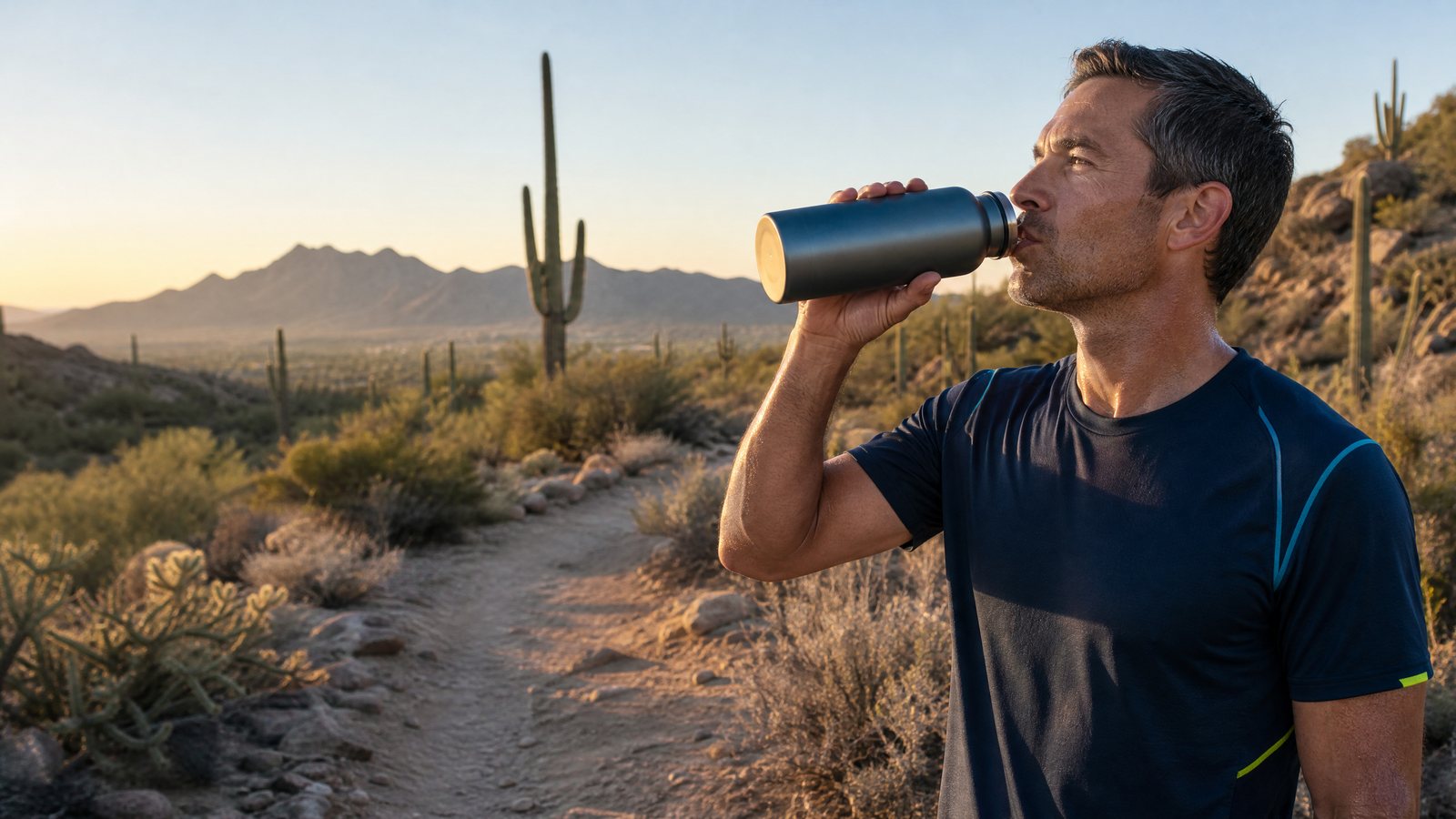
In Scottsdale, heat is often paired with dry air. Sweat may evaporate so quickly that you do not feel as wet as you would in a humid climate, even while losing a substantial amount of fluid. Direct sun, hot pavement, reflected heat, limited shade, and warm overnight temperatures can add to the strain.
The National Weather Service calls heat Arizona’s deadliest weather hazard and notes that heat-related illness can occur even below the temperatures that trigger an official warning. Its Phoenix-area HeatRisk guidance is a better planning tool than temperature alone because it also considers unusual heat, duration, and overnight relief.
Hydration helps, but water cannot make an unsafe workout safe. On a Major or Extreme HeatRisk day, shortening the session, reducing intensity, moving it to early morning, or training in air conditioning may be the better decision.
Build your hydration plan before the workout
1. Check HeatRisk and air quality
Before an outdoor session, review the local HeatRisk and air quality forecast. The CDC recommends moving outdoor activity to the coolest part of the day when HeatRisk is elevated. Poor air quality adds another stressor, especially for people with asthma or heart and lung conditions.
2. Move outdoor training to cooler hours
Early morning is usually the best window for hard outdoor work in the Scottsdale summer. Evening may be cooler than midafternoon, but pavement and other surfaces can hold heat well after sunset. If the overnight low remains high, even an early session may require less volume, more rest, or an indoor alternative.
3. Acclimate over 7 to 14 days
Your body adapts to heat, but the adaptation takes repeated exposure. CDC/NIOSH guidance recommends increasing time in hot conditions gradually over 7 to 14 days. Begin with shorter, easier sessions, then add duration or intensity as your response improves. Do not increase both at once.
After travel, illness, or an extended stretch away from the heat, assume some acclimation has faded. Return with a reduced workload rather than jumping back into your previous pace.
4. Arrive hydrated, but do not force water
Drink regularly with meals and throughout the day so the workout does not begin as a catch-up exercise. Light-yellow urine is a useful rough check, although supplements, foods, and medications can change urine color. Thirst, dry mouth, headache, low urine output, and unusually dark urine can all point toward a fluid deficit.
Avoid chugging a large volume immediately before training. It can cause stomach discomfort, and excessive fluid intake carries its own risk. Hydration should match your losses, not overwhelm them.
How much should you drink during a hot workout?
There is no single ounce target that fits every athlete. Sweat rate can vary widely between people and can change with intensity, clothing, acclimation, sun exposure, and the weather.
For moderate activity in the heat lasting less than two hours, CDC/NIOSH offers a general starting point of 8 ounces of water every 15 to 20 minutes. It also advises keeping total fluid intake below six cups, or 48 ounces, per hour. Those figures come from occupational heat guidance, so treat them as practical boundaries rather than a prescription for every workout.
For a 60-minute indoor session, you may need less than you would during a run in direct sun. Keep a bottle available, drink at planned breaks, and adjust based on your sweat rate and how you feel. Avoid trying to replace every drop immediately if doing so leaves you bloated or nauseated.
When do electrolytes help?
Water is usually enough for a shorter, moderate session when you start hydrated and eat regular meals. Electrolytes become more useful when:
- You are sweating heavily for several hours.
- You have multiple training sessions in one day.
- Your clothes or skin develop a white, salty residue.
- You have a high measured sweat rate.
- You need to recover quickly for another demanding session.
Sodium is the main electrolyte lost in sweat. It can come from food, an electrolyte mix, or a sports drink. More is not automatically better; the right amount depends on your losses and medical history. Energy drinks are not the same as electrolyte drinks, and products high in caffeine or sugar may be a poor fit in extreme heat.
The National Athletic Trainers’ Association recommends individualized hydration plans that account for sweat rate, environment, body size, acclimation, exercise duration, intensity, and personal tolerance.
A simple way to estimate your sweat rate
A short sweat-rate check can give you a more useful starting point than a generic daily water goal. Use a workout that reflects the conditions and intensity you normally face.
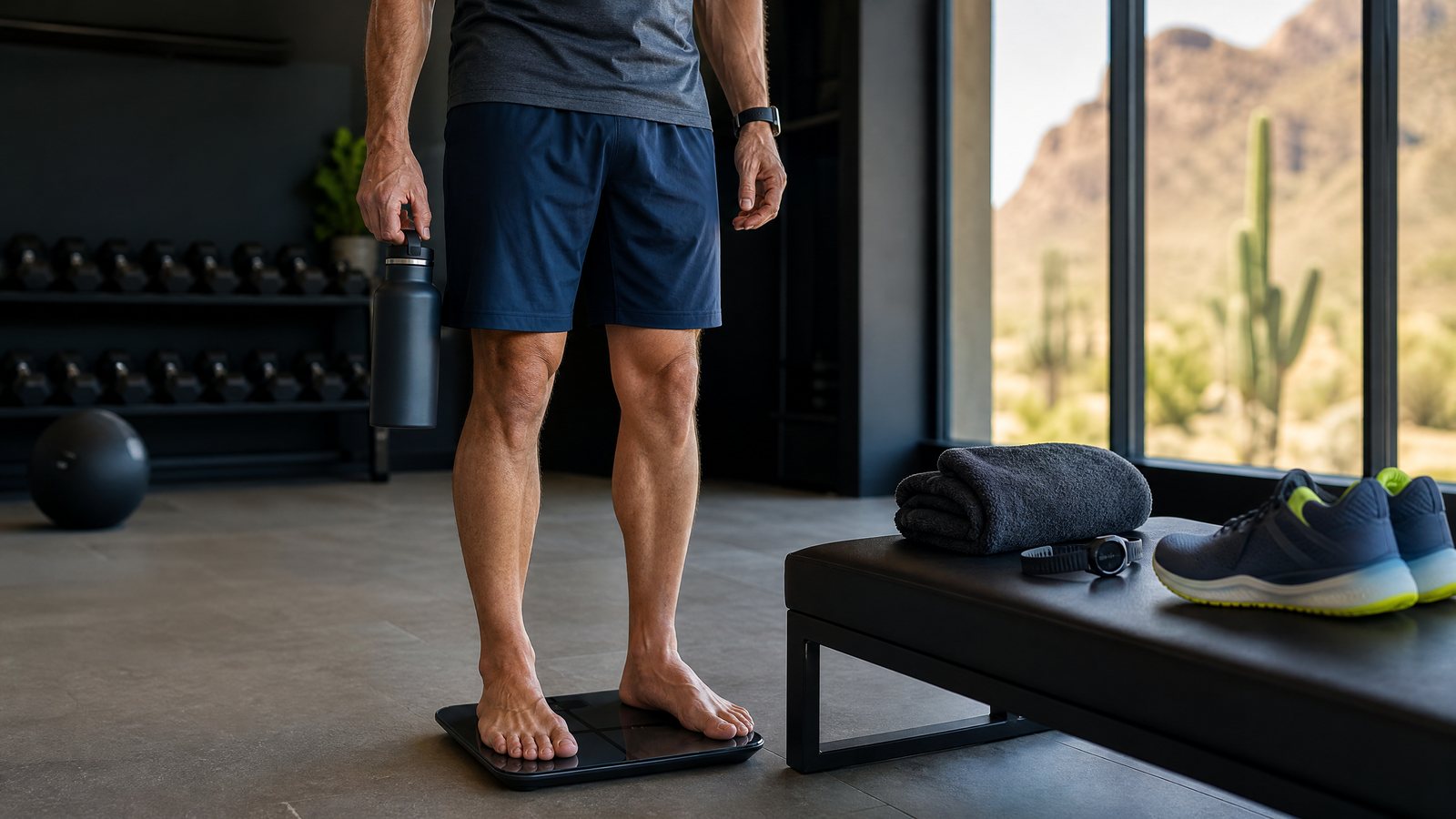
- Weigh yourself before training in dry clothing, after using the restroom.
- Track the fluid you drink during the session.
- Weigh yourself again afterward in the same dry clothing, or with as little clothing as practical.
- For each pound lost, count roughly 16 ounces of fluid. Add the ounces you drank during the session. If you used the restroom, subtract that output if you measured it.
- Divide the result by the workout duration in hours to estimate ounces lost per hour.
Example: You lose one pound during a one-hour workout and drink 20 ounces. Your estimated sweat loss is about 36 ounces for that hour: 16 ounces from body-mass loss plus the 20 ounces you drank.
This estimate does not mean you must drink 36 ounces every hour. It gives you a range to test while watching comfort, performance, and post-workout body mass. The NATA recommends finishing exercise with less than a 2% body-mass loss and avoiding weight gain during the session, which can signal overdrinking.
What to do after training
Rehydration works best as part of recovery, not as a separate chore. Over the next few hours:
- Drink water gradually rather than all at once.
- Eat a normal meal or snack with sodium, carbohydrates, and protein.
- Continue cooling down in air conditioning or shade.
- Pay attention to headache, nausea, unusual fatigue, dizziness, or reduced urine output.
If another workout is scheduled soon, your recovery window matters more. Plan fluids and food instead of relying on thirst at the next session.
Know when to stop and when to call 911
The CDC’s guidance for athletes is direct: if you feel faint or weak, stop all activity and get to a cool place.
Stop the workout for muscle cramps, heavy or unusual sweating, headache, dizziness, weakness, nausea, shortness of breath, or a sudden drop in coordination. Move to air conditioning or shade, loosen excess clothing, cool the skin with wet towels or cold packs, and sip cool fluid only if the person is fully awake and alert.
Confusion, seizures, loss of consciousness, or a very high body temperature can signal heat stroke. Call 911 and begin rapid cooling immediately. Do not leave the person alone, and do not force fluids on someone who is confused or not fully alert.
When indoor training is the smarter call
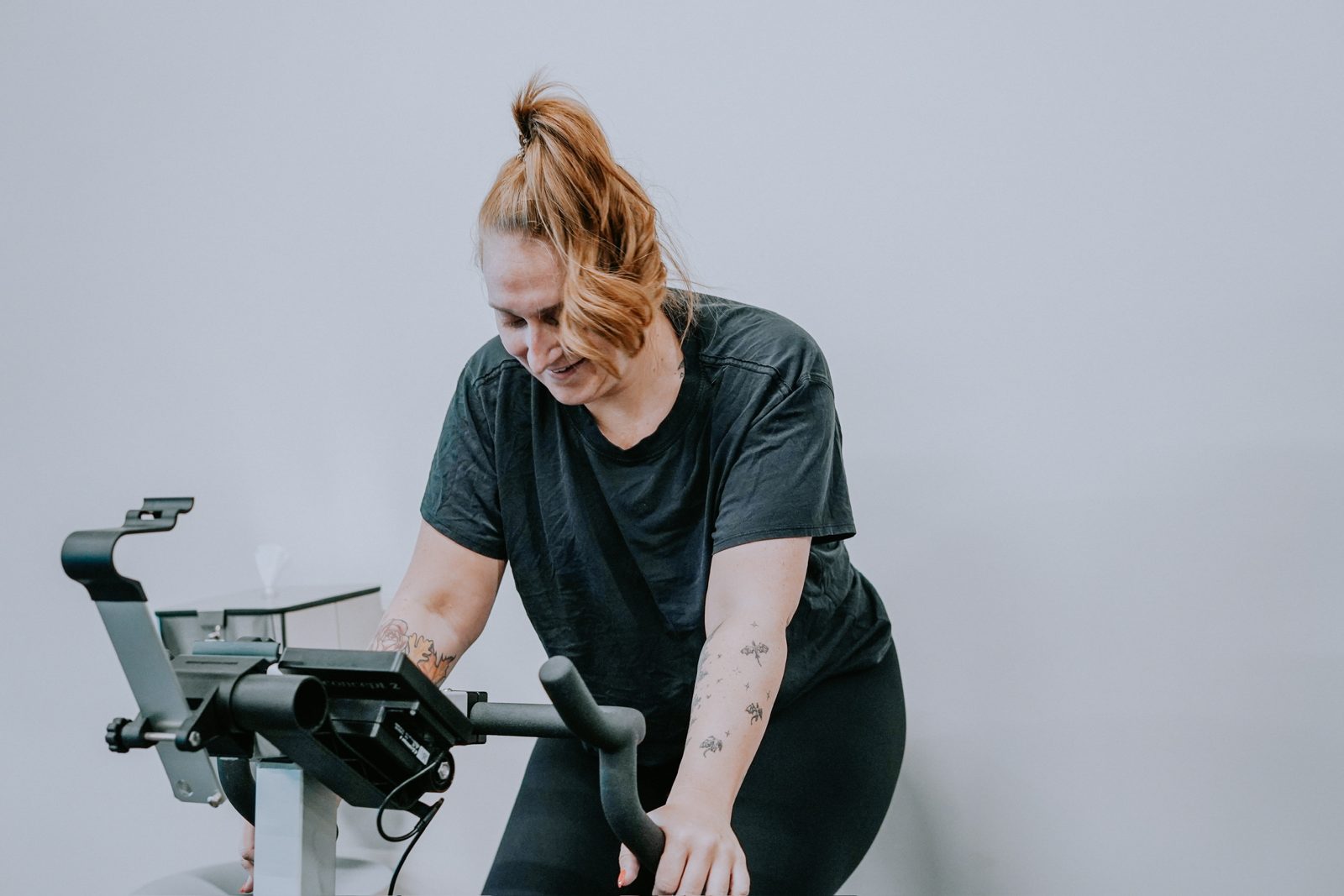
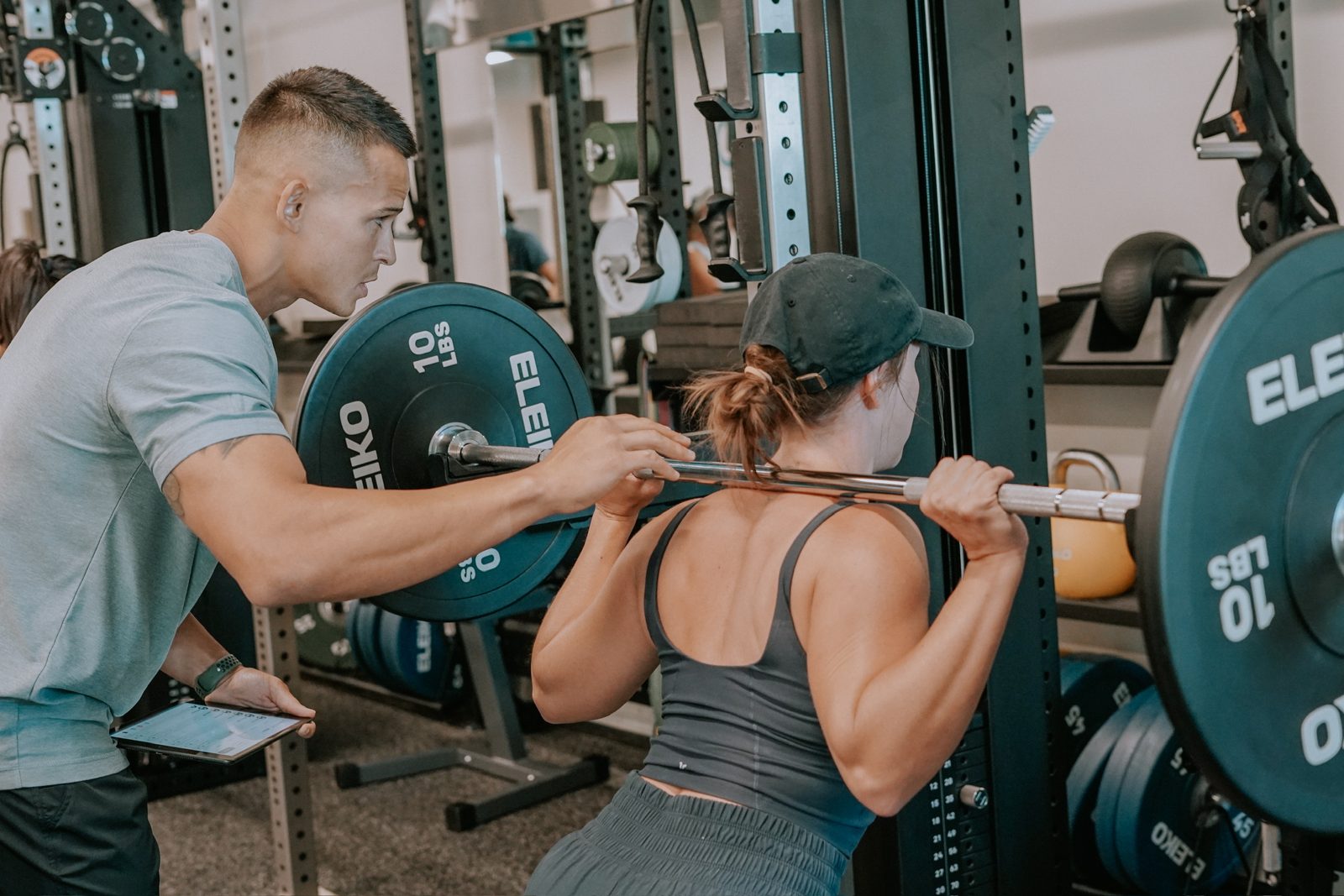
Changing the setting is part of good training judgment. An air-conditioned, coach-led session lets you keep building strength and endurance without stacking unnecessary environmental stress on top of the workout.
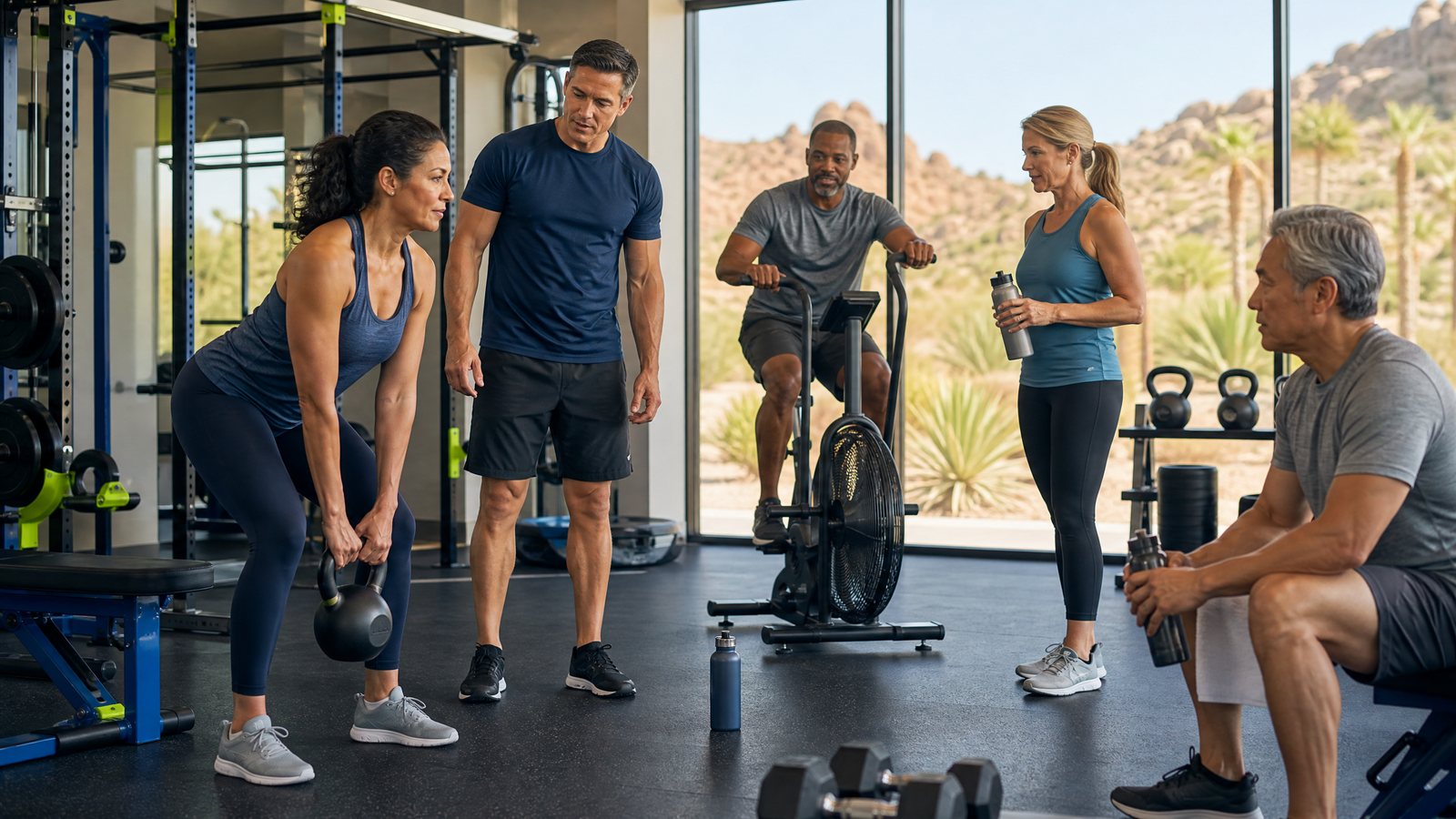
At proof3 Salt River, the signature 30/30 session combines 30 minutes of progressive strength work with 30 minutes of focused endurance training. Your starting point comes from the proof3 Assessment, and a coach adjusts load and intensity as you train. On a high-risk Scottsdale day, that controlled environment can protect consistency without asking your body to prove something to the weather.
Scottsdale workout hydration checklist
- Check HeatRisk and air quality before outdoor training.
- Choose early morning or another cooler window.
- Acclimate gradually over 7 to 14 days.
- Start hydrated and bring more fluid than you expect to need.
- Use 8 ounces every 15 to 20 minutes as a general heat-exposure starting point, then personalize.
- Add electrolytes for prolonged or very sweaty sessions.
- Do not exceed 48 ounces per hour or gain body weight from overdrinking.
- Stop immediately for faintness, weakness, dizziness, nausea, confusion, or loss of coordination.
- Move indoors when HeatRisk, air quality, or recovery makes outdoor training a poor trade.
Frequently asked questions
Is water enough for a one-hour workout?
Often, yes, especially indoors or at moderate intensity when you begin hydrated and eat regular meals. Electrolytes may help if the session is very hot, you sweat heavily, or you are training again soon.
Should I wait until I am thirsty?
No. Thirst can lag behind fluid losses, and the response may be less reliable in some older adults. Keep fluid accessible and drink at regular breaks without forcing more than your body can tolerate.
Can you drink too much water during exercise?
Yes. Drinking faster than you lose fluid can dilute blood sodium and cause exercise-associated hyponatremia. Avoid weight gain during the workout and stay below the CDC/NIOSH upper limit of six cups per hour unless a qualified clinician has given you a different plan.
Does dry heat mean I sweat less?
Not necessarily. Sweat evaporates quickly in dry air, so you may underestimate how much fluid you are losing. Use planned drink breaks and an occasional sweat-rate check instead of judging only by how wet your clothes feel.
Train consistently without gambling on the heat
Hydration is one part of a good Scottsdale training plan. Timing, acclimation, workload, recovery, and the training environment matter too. If you want a measured starting point and coach-managed strength and endurance work, book a proof3 Assessment at our Salt River gym. You’ll leave knowing your body composition, how you move, where you’re strong, and where your plan should begin.