Understanding Progressive Overload
Progressive overload is a fundamental principle in strength training that emphasizes the need to gradually increase the demands placed on your body to continue making gains. This concept is crucial for anyone looking to enhance their strength and body composition sustainably. In this article, we will explore what progressive overload means, how it works, and why it is essential for your fitness journey.
What is Progressive Overload?
At its core, progressive overload involves systematically increasing the weight, frequency, or number of repetitions in your strength training routine. This gradual increase challenges your muscles, prompting them to adapt and grow stronger over time. However, it’s important to note that increasing weight is just one of several variables that can be manipulated to achieve progressive overload.
Five Examples of Progression Variables
1. Weight: The most common method is to increase the amount of weight you lift. For instance, if you can comfortably perform 10 repetitions of a bench press at 100 pounds, consider increasing the weight to 105 pounds for your next session.
2. Repetitions: Instead of increasing weight, you can also increase the number of repetitions you perform at a given weight. If you typically do 8 reps, aim for 10 reps before increasing the weight.
3. Volume: This refers to the total amount of work done, calculated as sets multiplied by repetitions multiplied by weight. Increasing your overall volume can lead to greater muscle growth.
4. Range of Motion: Enhancing your range of motion during exercises can also contribute to progressive overload. For example, performing a deeper squat can engage more muscle fibers and promote growth.
5. Consistency: Maintaining a regular training schedule is vital. Consistency allows your body to adapt to the stress of training, leading to improved performance over time.
Why Tracking Changes Matters
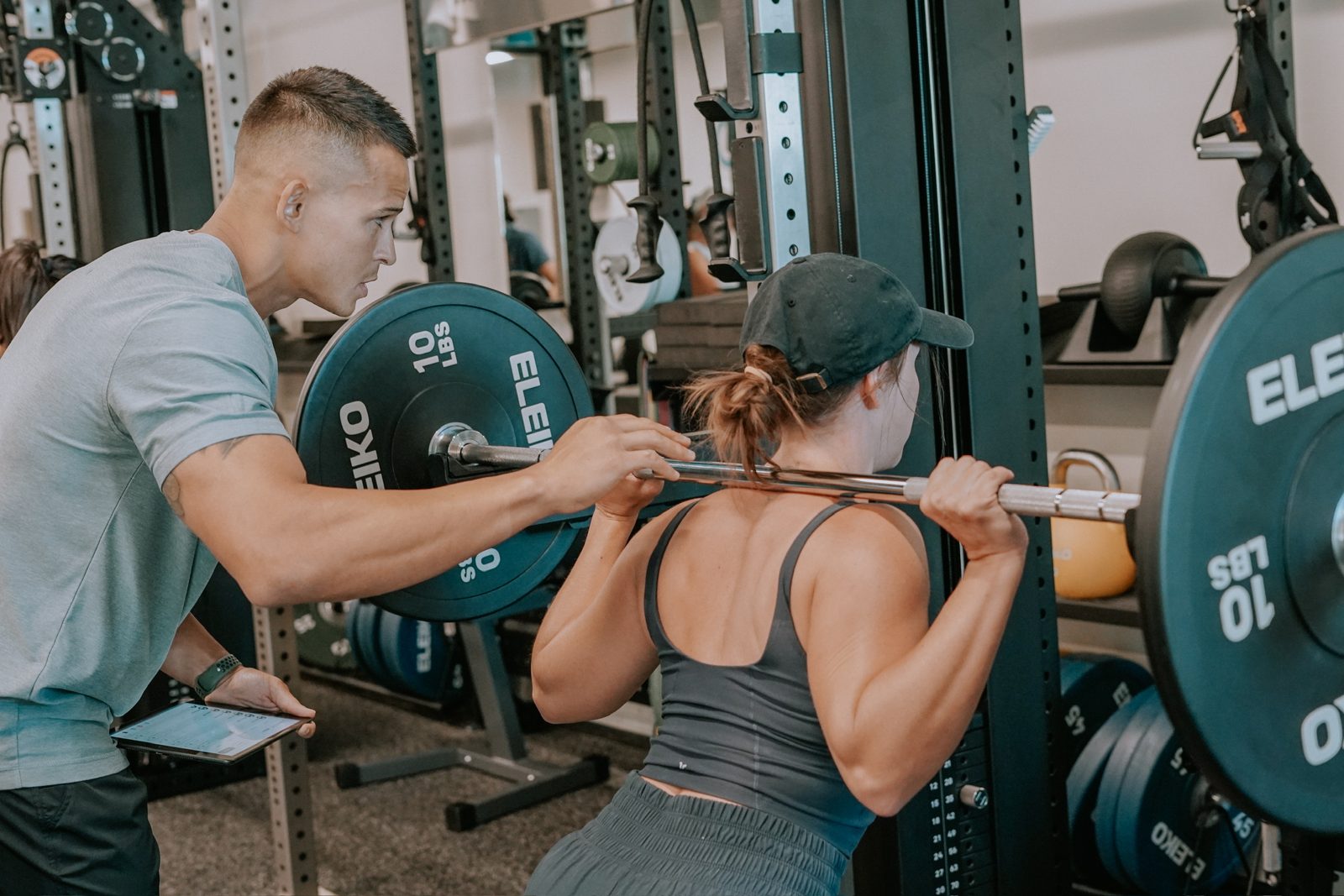
Having a coach track your progress is essential for several reasons. First, it helps identify which variables are yielding the best results for you. Second, it ensures that you are not overtraining or risking injury by pushing too hard too quickly. A coach can provide personalized feedback and adjustments to your program, ensuring that you are on the right path to achieving your goals.
When to Hold Steady
There are times when it’s beneficial to hold steady rather than push for more. If you are experiencing fatigue, learning a new movement, or trying to rebuild consistency after a break, it’s wise to focus on mastering your current routine before increasing intensity. In conclusion, understanding and applying the principle of progressive overload is vital for anyone looking to improve their strength and body composition. By manipulating various training variables and working with a coach, you can create a sustainable and effective strength training program. If you’re ready to see how proof3 tracks progress through individualized coaching and assessments, visit us today!
Why Choose Proof3?
At Proof3, we specialize in creating tailored wellness solutions that fit the unique needs of your organization. Our structured approach ensures that your leadership team receives the support necessary to enhance workplace wellness and foster a culture of health. Join us and experience the difference!