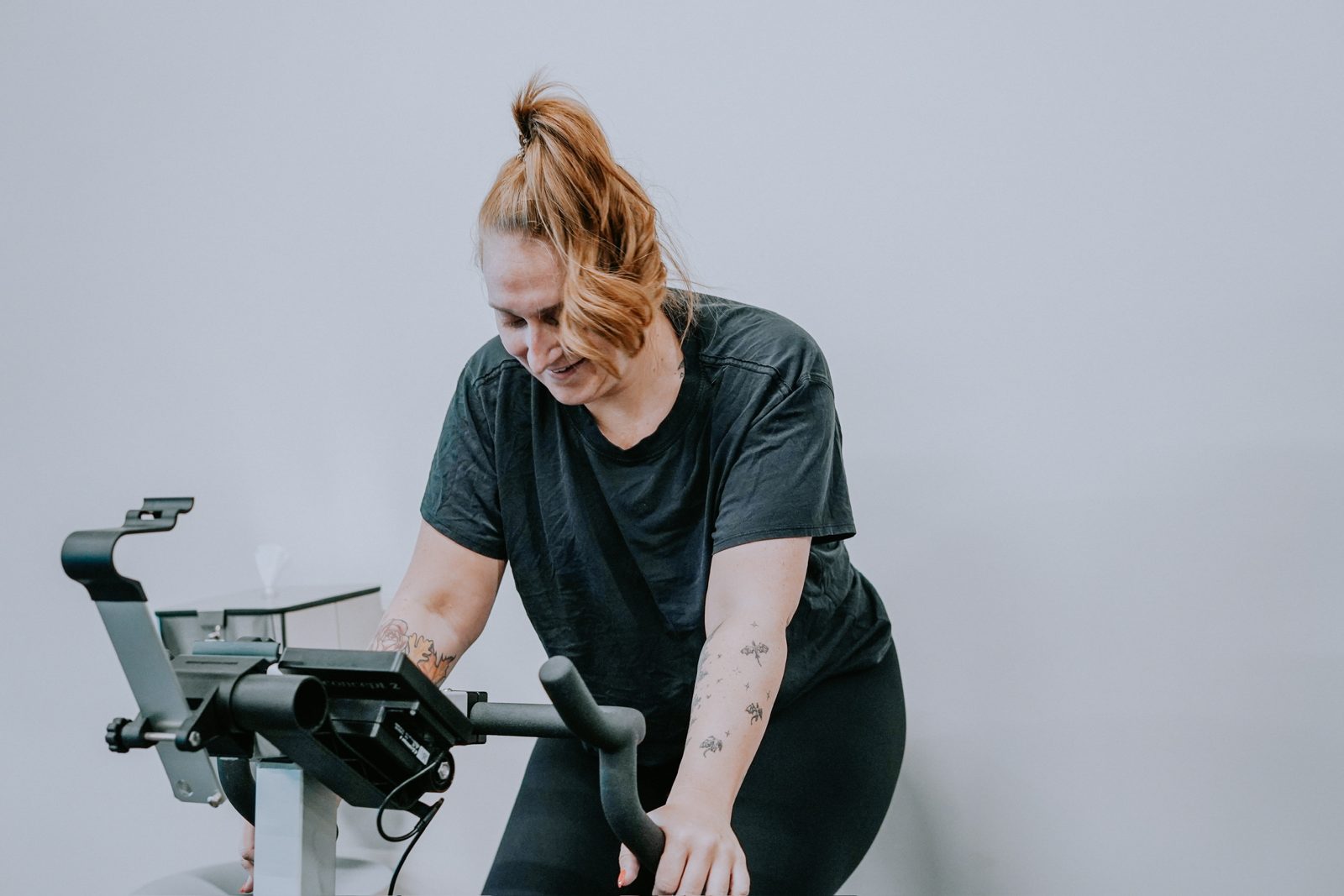
Starting strength training after 50 does not require proving that you can lift a particular weight. It requires choosing an appropriate starting task, learning how to perform it and having a clear process for adjusting the challenge.
No coach or assessment can guarantee injury-free exercise. The useful question is how a program manages uncertainty, responds to symptoms and helps you build experience without rushing.
Share relevant health information before training
Tell the provider about pain, recent illness or injury, relevant medical conditions and exercise restrictions. Bring guidance from your care team where applicable. Ask whether anything needs to be clarified before physical testing or a demanding session.
Age alone does not determine whether medical clearance is necessary. Your symptoms, health circumstances and planned activity matter. A fitness assessment should not be presented as a medical examination or permission to ignore clinical advice.
Look for an introduction that teaches
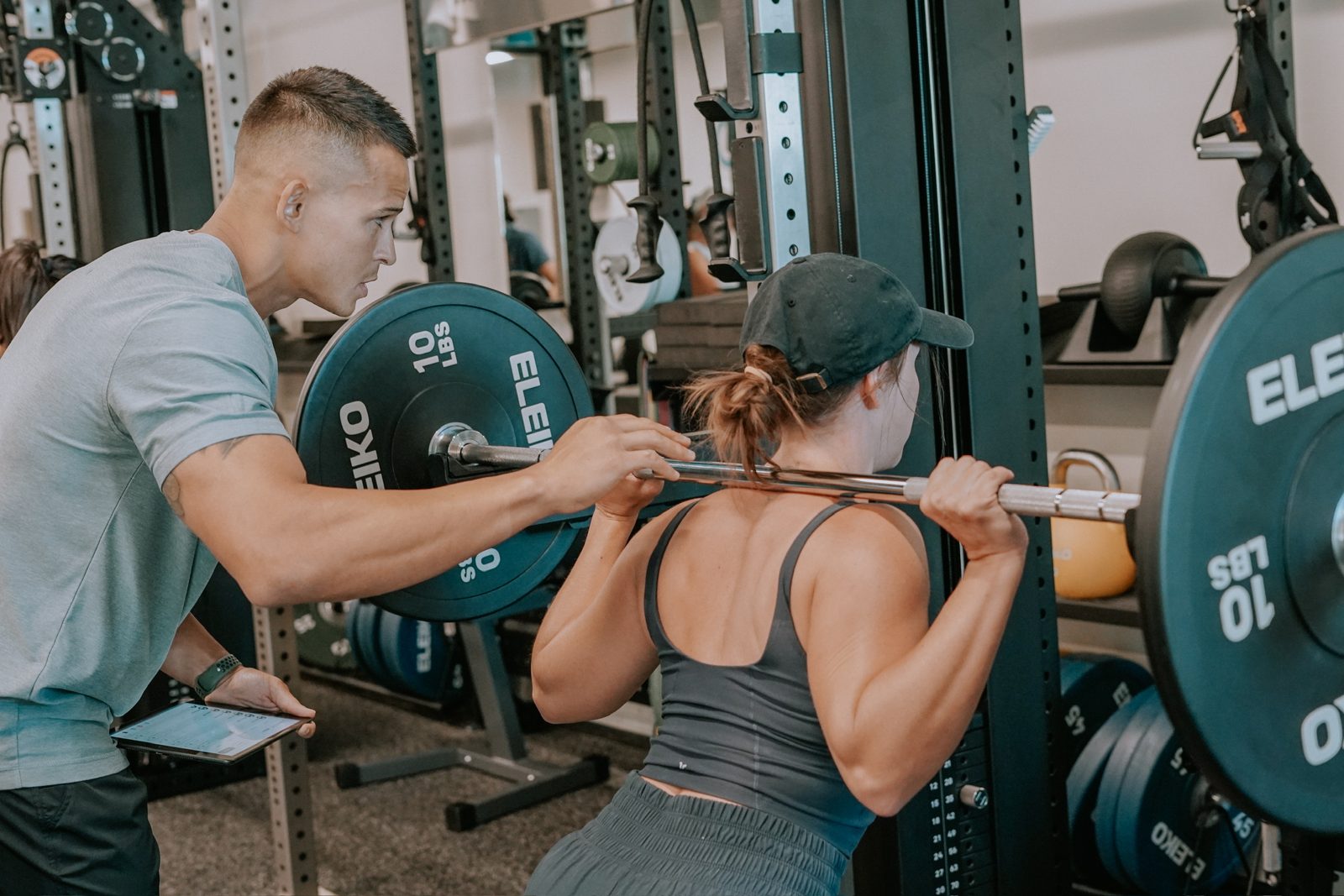
Ask how the coach introduces equipment, demonstrates exercises and observes your first attempts. You should be able to request another explanation without feeling that you are slowing the session down.
A suitable starting movement should let you practice the intended task with manageable resistance and clear instructions. The explanation of beginner strength training provides useful questions to ask before joining.
Use assessment information appropriately
Movement observations, performance testing and body-composition information can help organize a training conversation. Ask which findings change the plan and which remain uncertain. A screen cannot predict every injury, diagnose a painful condition or establish that a particular exercise will be safe for everyone.
At proof3, that conversation begins with the proof3 Assessment. A score should lead to an understandable coaching decision rather than pressure to outperform another member.
Progress one decision at a time
The 2026 ACSM resistance-training guidance supports individualized training. A beginner does not need complicated methods or a requirement to train to failure to start making progress.
Ask what you should practice before the resistance increases. A coach may change the weight, repetitions, amount of work or exercise variation. Increasing several demands at once can make it harder to understand what caused an unusually difficult session.
Review how a coach approaches progressive overload so the purpose of a change is clear. Holding steady to learn a movement can be a deliberate training decision.
Know the response to pain and other symptoms
Muscular effort during a set is not the same as a painful joint or sudden loss of function. Stop an activity that causes concerning pain and tell the coach. Do not treat discomfort easing during a warm-up as proof that an injury is absent.
The NIAMS sports-injury guidance advises stopping painful activity and seeking care for serious or persistent symptoms. Severe pain, major swelling, deformity or inability to bear weight deserves professional assessment. Chest pain, collapse or severe breathing difficulty requires emergency attention.
Build a week you can recover from
Account for tennis, golf, hiking and demanding work as well as the gym. Begin with realistic session times and discuss how harder efforts will be spaced. After time away, explain what activity you did before resuming the previous workload.
Sleep, regular food intake and other health circumstances belong in the conversation. They are not reasons to blame yourself for a difficult workout; they are context for the next appropriate decision.
Use this first-visit checklist
- Who demonstrates and checks each new exercise?
- How are starting resistance and exercise options chosen?
- What happens if I need a different version or more instruction?
- What symptoms mean I should stop or seek clinical advice?
- How will my training be recorded and reviewed?
- How do I resume after travel, illness or a missed week?
Is the same starting plan appropriate for everyone over 50?
No. Experience, current abilities and goals are more informative than age alone.
What is a useful first outcome?
Understanding your main exercises, knowing how to ask for help and establishing a manageable routine. Physical changes should be evaluated over time rather than promised by a fixed date.