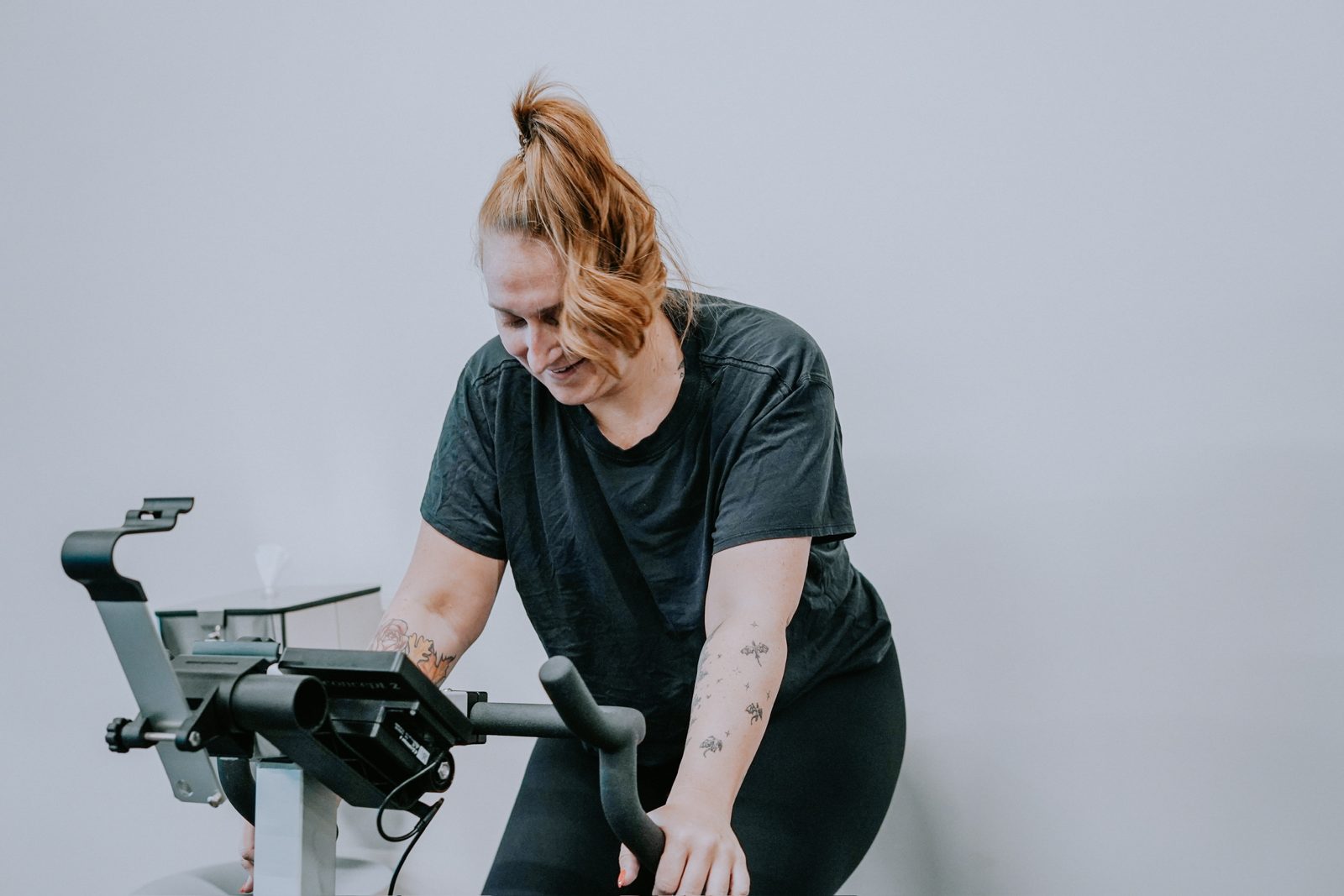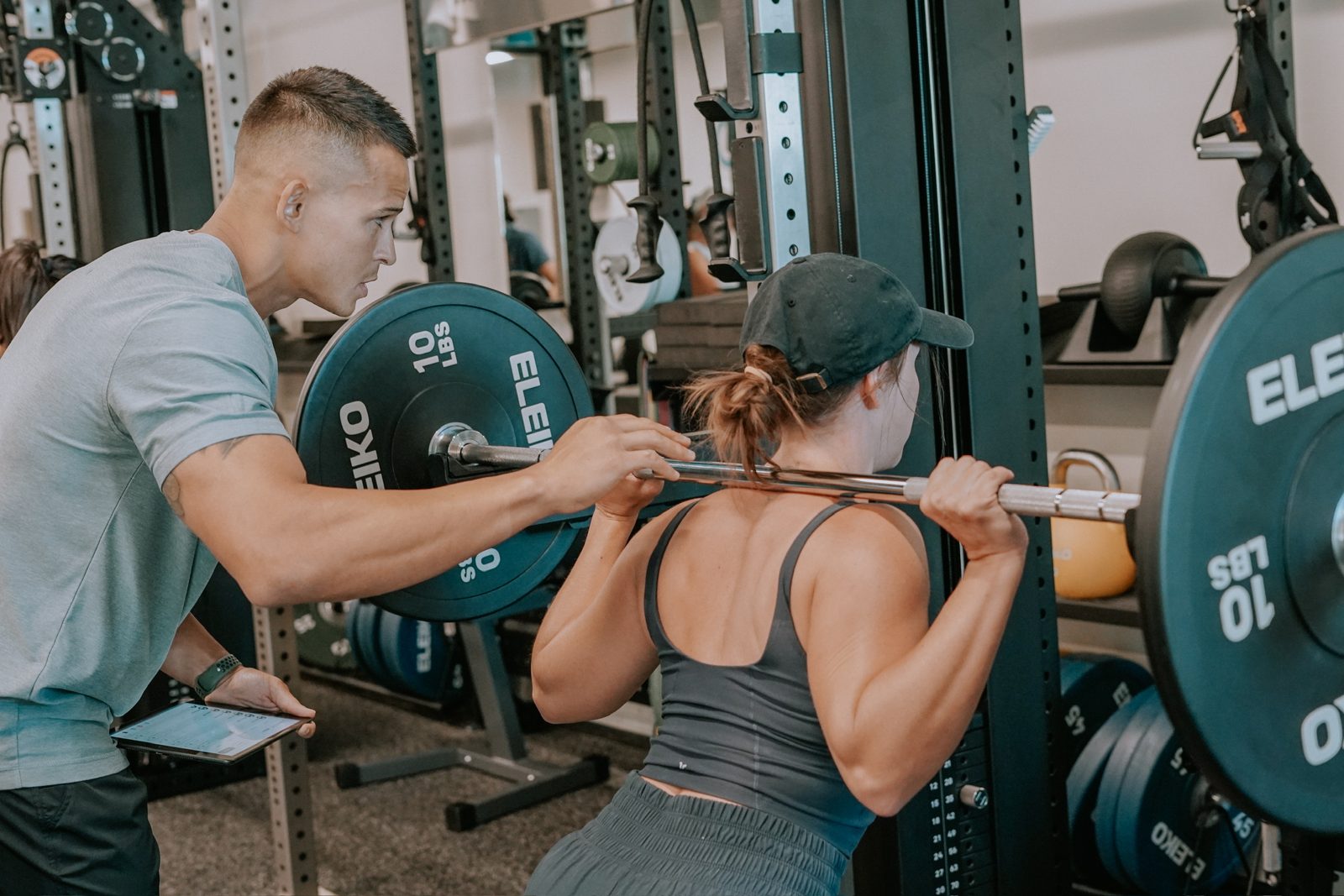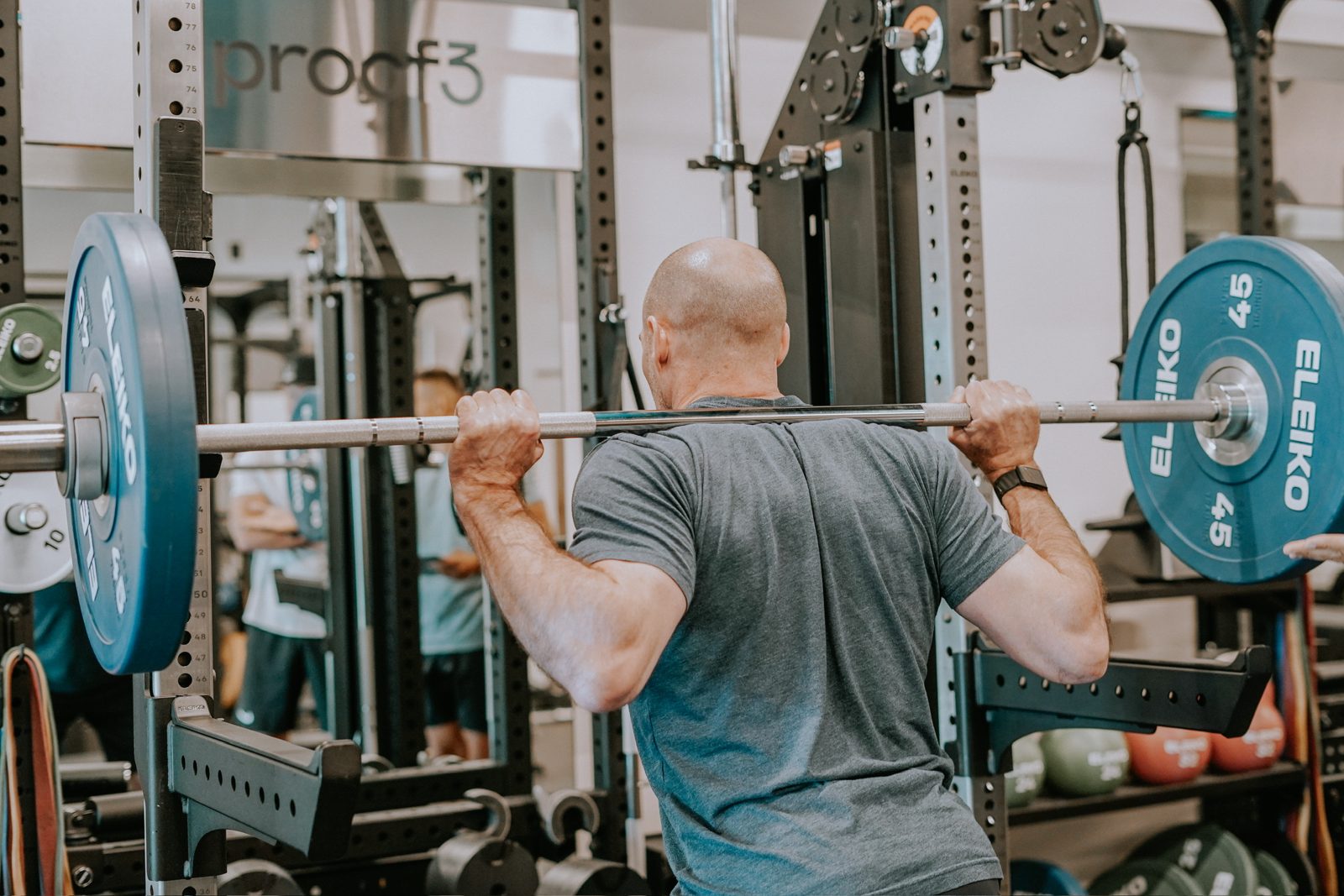
Start strength training after 50 with instruction, an appropriate level of resistance and a weekly routine you can repeat. At proof3 Salt River in Scottsdale, an assessment and a conversation about your goals help us decide where to begin.
Perhaps you want to feel stronger playing tennis, enjoy golf or prepare for an active vacation. Those goals give us a practical purpose for your training.
For adults over 50, a good training plan should take account of your experience, current abilities and priorities. Your age is one piece of that picture.
What goal should you start with?
“Get fitter” can be difficult to translate into a weekly plan. A more specific goal gives you and your coach something to work toward.
Think about where you would like more strength, endurance or confidence. That might mean a longer hike, a busy weekend on the tennis court or getting comfortable with weights after time away.
Bring those priorities into the conversation before choosing exercises. Tell your coach what you already do, what you enjoy and what has made previous routines difficult to maintain.
A plan that fits your life has a better chance of becoming part of it.
How often should you strength train after 50?
Walking, cycling and other aerobic activities belong in a well-rounded routine. Muscle-strengthening activity has its own place, too.
The CDC recommends that adults include muscle-strengthening activities involving all major muscle groups at least two days each week. For adults 65 and older, its recommendations also include balance activities alongside strength and aerobic exercise. These are general guidelines; your starting routine should reflect your abilities and health circumstances.
If you are returning to training, discuss how to build toward that routine with your coach. Choose session times you can realistically protect, and ask how exercises can be adjusted as you learn them.
The first few visits are an opportunity to establish a workable rhythm and understand the movements in your program.
How does an assessment help?
An assessment becomes useful when the information leads to a clearer training decision.
Our proof3 Assessment brings together body-composition, movement and strength/power information to establish your starting point and guide training.
Each part answers a different question. Body-composition information offers more context than body weight alone. Movement observations give coaches information to guide exercise selection. Strength and power testing adds another view of your physical performance.
Ask your coach to explain the results in everyday language:
- What does this tell us about my starting point?
- How will it affect my training?
- What will we repeat to check progress?
You should leave understanding how the information connects to your goals.
What should you look for in coaching?
When comparing gyms, ask how coaches introduce new members, adapt exercises and review progress. Find out how individual guidance works within a group session.
Our small-group training combines coached sessions with assessment information and an individualized plan. We connect your starting point with a routine you can put into practice.
Common questions about strength training after 50
What’s the safest way to start strength training after 50?
Start with instruction, an appropriate level of resistance and a routine you can repeat. An assessment and a conversation about your goals help a coach decide where you begin; tell them about any restrictions or guidance from your care team.
Is my age the deciding factor?
No. Age is one piece of the picture; your experience, current abilities and priorities matter more when planning your training.
Drop by and see us at our Salt River studio, call us at (520) 524-6983 or send a message to info@proof3.com. We’d love to hear what you’re working toward.
Live Stronger For Longer
Replace guesswork with data-driven strength and endurance training built around how your body actually moves.
No commitment. A coach will call you back — usually the same day.