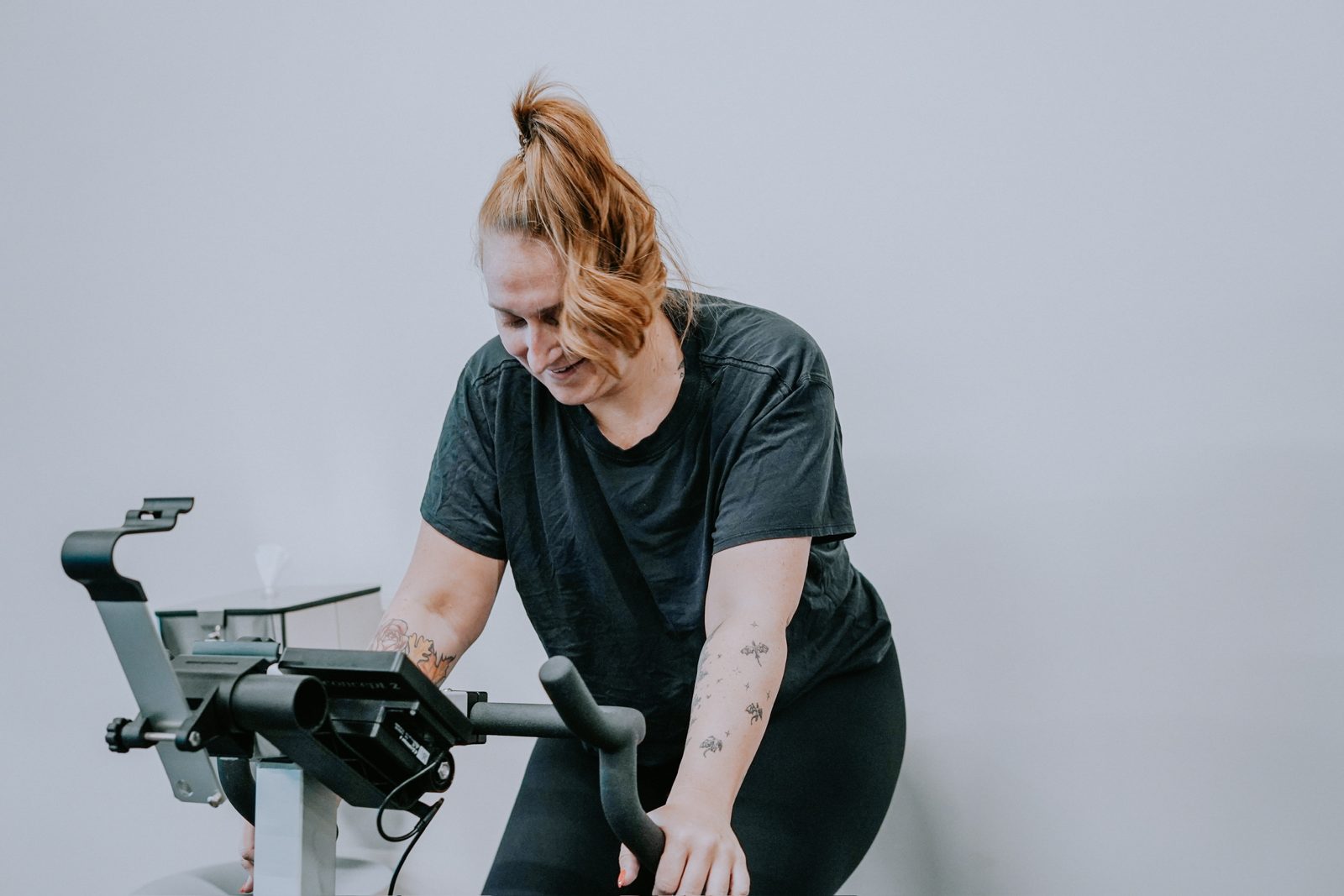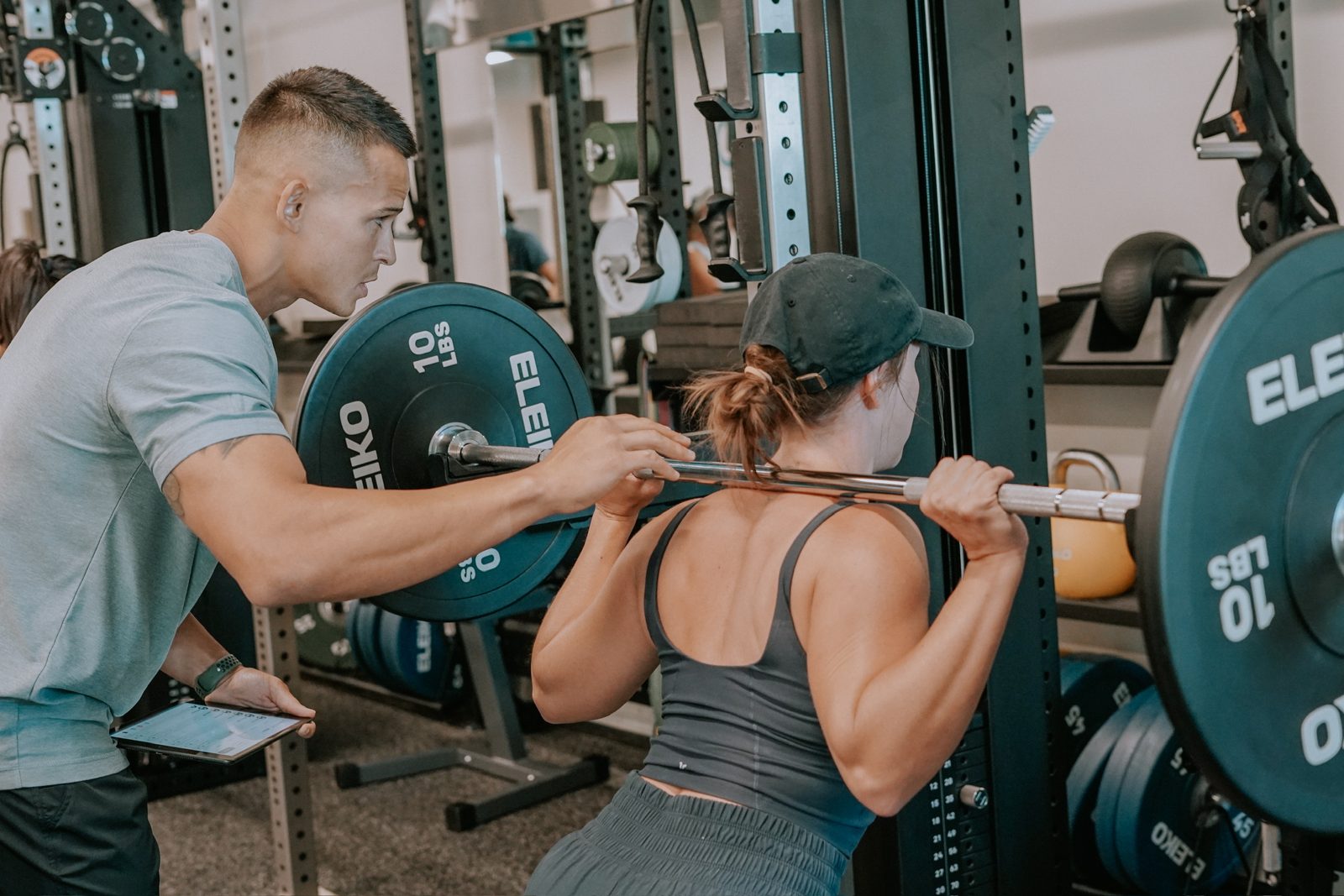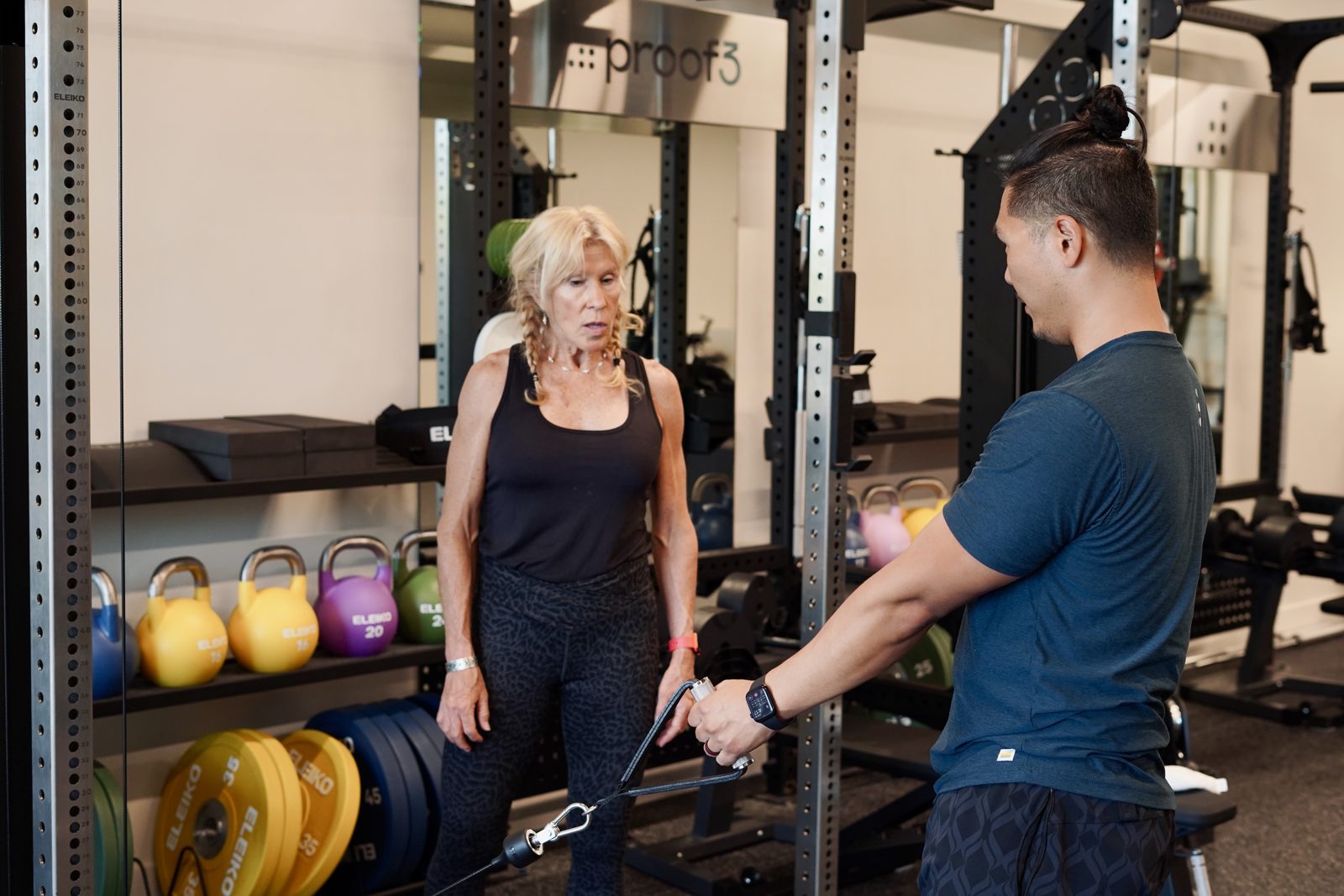
During menopause, strength training can support muscle and physical capability as part of a routine that also includes aerobic activity. At proof3 Salt River in Scottsdale, we begin with your current fitness and goals, then guide the training around your experience and circumstances.
Midlife can bring changes in sleep, energy and body composition that make your usual routine feel less familiar. That’s useful context to discuss when deciding where to begin.
In the LIFTMOR trial, postmenopausal women with low bone mass who completed a supervised resistance-and-impact program improved bone-density and physical-function measures. The findings apply to that studied program and population, not automatically to another gym’s classes. If bone health is a concern, ask your care team what training is appropriate for you.
Where should you start?
Your experience matters. You may already exercise regularly but want more guidance with weights, or you may be returning after a long break.
We start with your proof3 Assessment, which brings together body-composition, movement and strength/power information. Your coach reviews the results with you and uses them to help choose your starting exercises and resistance.
We also talk about what you want training to support, whether that’s feeling stronger on the tennis court, enjoying a round of golf or preparing for a hiking trip you’ve been planning.
What should a balanced routine include?
Resistance training gives your muscles work to do through weights, machines or other forms of resistance. You don’t need to know how to use them before you begin; your coach helps you learn the movements and build from an appropriate starting point.
Walking and other activities you enjoy can remain part of your week. Our signature 30/30 sessions combine strength and endurance training, with coaching to help you find the right level for each.
If weight loss is also a goal, include eating habits and overall activity in the conversation. Strength training has a role in maintaining muscle during weight loss, but no particular workout guarantees fat loss. Your health-care team can help with menopause symptoms and medical or nutrition questions.
What if sleep or energy changes affect your training?
If disrupted sleep or changing energy is affecting your training, tell your coach. That context helps us discuss your sessions and make adjustments.
Menopause symptoms, medication questions and bone-health concerns belong with your health-care team. We use relevant exercise guidance from them to inform your fitness plan.
Common questions about strength training during menopause
What’s the best workout during menopause?
There isn’t one best workout. Strength training can support muscle and physical capability as part of a routine that also includes aerobic activity, set at a level that fits your experience and circumstances.
Can strength training help bone density?
In the LIFTMOR trial, postmenopausal women with low bone mass who completed a supervised resistance-and-impact program improved bone-density measures. That applies to that program and group; if bone health is a concern, ask your care team what’s appropriate for you.
I’m going through menopause and want to lose weight. What helps?
Include eating habits and overall activity, not just workouts. Strength training helps maintain muscle during weight loss, but no particular workout guarantees fat loss. Your health-care team can help with medical and nutrition questions.
Get started with us
Drop by and see us at our Salt River studio, call us at (520) 524-6983 or send a message to info@proof3.com. We’d love to hear what you’re working toward.
Live Stronger For Longer
Replace guesswork with data-driven strength and endurance training built around how your body actually moves.
No commitment. A coach will call you back — usually the same day.