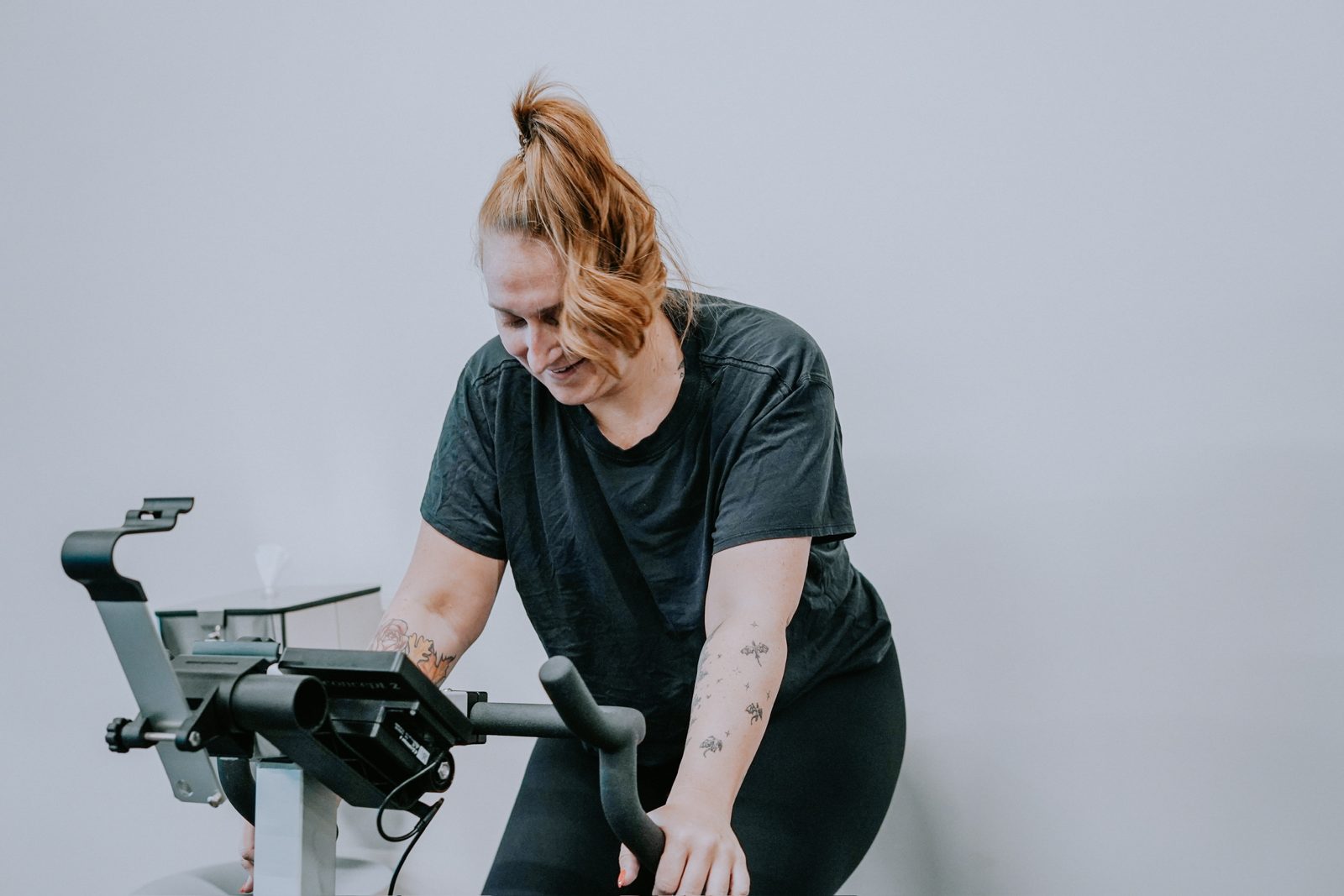
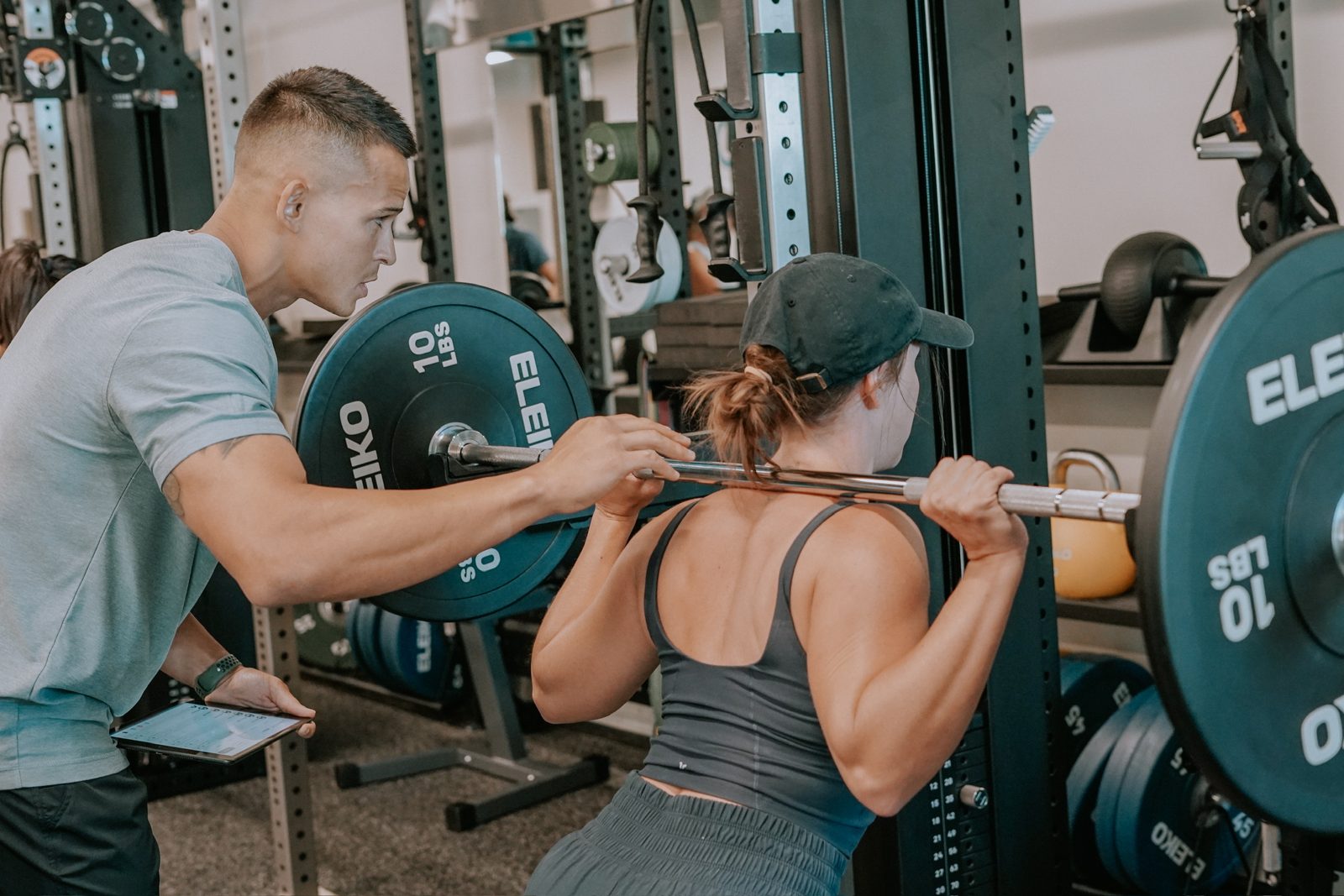
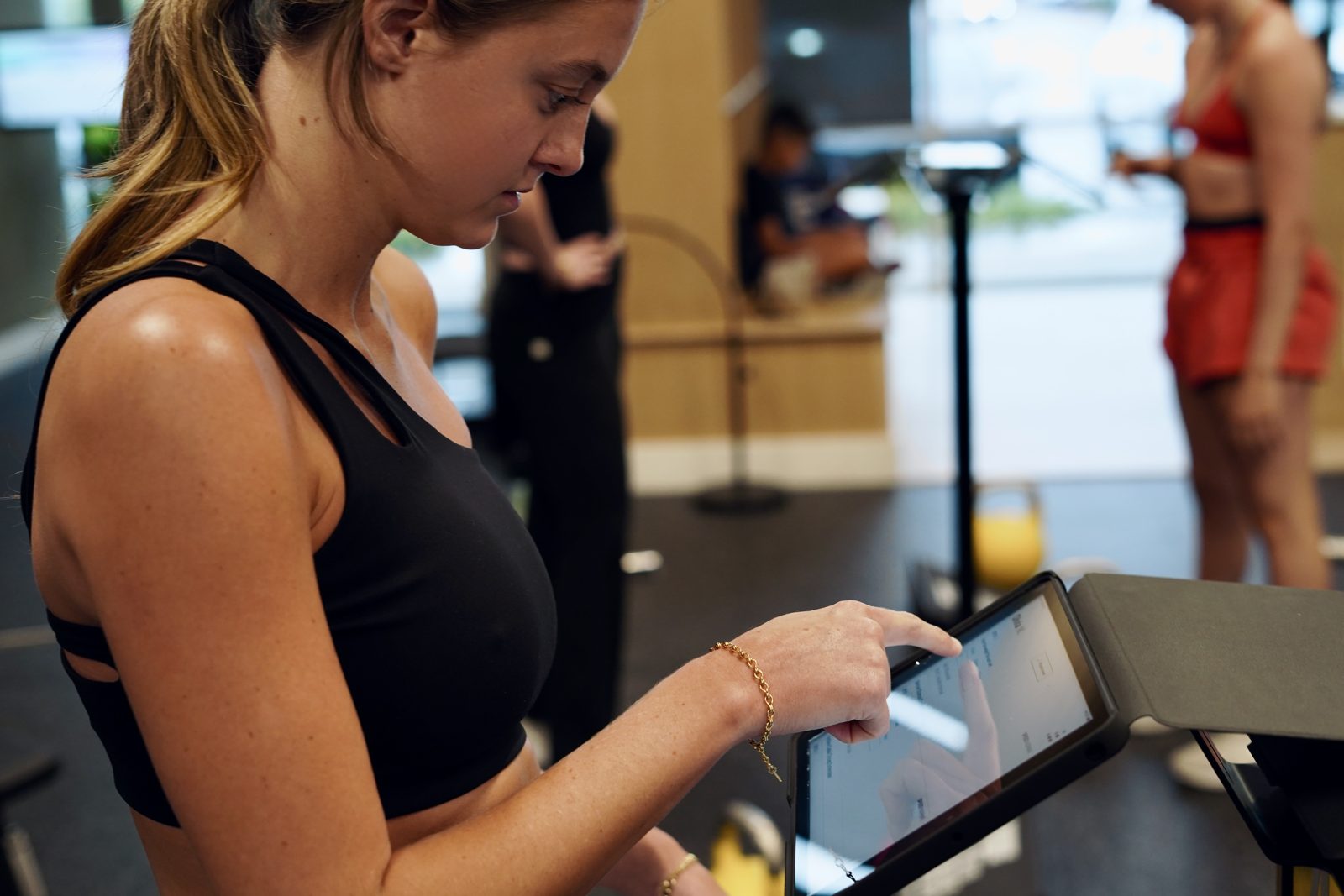
An assessment at the workplace reduces travel. A studio visit may provide a more established testing setup. Neither location is automatically more convenient, more private or more scientifically valid.
For employers, the decision should begin with the purpose: what information will participants receive, and how will it guide their next step? Choose the setting that can deliver that purpose safely and consistently, with clear consent and appropriate boundaries around personal information.
Define what is being assessed
A body-composition scan, movement observation and physical-performance test answer different questions. Ask the provider for the exact measures, equipment and interpretation included. A brief scan should not be marketed as equivalent to a broader coaching assessment.
The overview of what a fitness assessment measures explains these distinctions. None of these gym services should be presented as a medical diagnosis or a requirement for employment.
Compare the setting against the protocol
- On-site: check private space, electrical requirements, floor surface, equipment transport, changing arrangements and time away from work.
- In-studio: check travel, parking, available appointments, accessibility and whether colleagues will see one another's results.
- Either setting: confirm participant instructions, equipment suitability, qualified supervision and a plan for questions or concerning symptoms.
A familiar workplace is not necessarily private. A screened room near a busy corridor may still allow conversations to be overheard. A studio is not necessarily public in its handling of individual results. Ask how privacy works rather than inferring it from the address.
Plan comparable conditions for follow-up
If an employee will repeat a measurement, ask whether the same equipment and preparation can be used. Moving between devices or testing just after a work shift can complicate a comparison. Document the protocol and any relevant differences.
Research on bioelectrical impedance measurement distinguishes repeatability from agreement with another method. A consistent setup helps interpretation, but it does not turn a body-composition estimate into an exact tissue measurement or a clinical bone-density test.
Agree who sees what before collecting anything
Provide participants with a plain-language explanation of the service and the data flow. Ask who stores results, how people receive them, whether the employer receives anything identifiable and how access is controlled.
Individual fitness results should not be routinely distributed to supervisors. If the employer needs administrative information, distinguish eligibility or billing records from personal assessment findings. If aggregate reporting is proposed, determine whether the group is large enough to prevent individuals from being inferred.
These are procurement and trust questions, not a substitute for organization-specific privacy and benefits advice. Have the appropriate advisers review the arrangement before launch.
Make the next step part of the quote
A report is more useful when the participant understands it. Clarify whether the price includes a coach's explanation, a written summary, exercise guidance, an opportunity to ask questions and later review. Do not assume an event automatically includes ongoing training.
Also ask how a participant can decline an element, stop a test or request an alternative. If someone reports pain, illness or relevant restrictions, the provider needs a process for deciding whether to modify, defer or refer the question to a clinician.
Use a short operational trial
Before booking a large day, test the instructions, appointment spacing and result delivery with a small voluntary group. Record where the process becomes confusing or rushed. An operational trial can improve logistics; it does not establish a health outcome.
Employees considering subsequent training can read about the first month at proof3 to understand one possible next step.
Is on-site testing cheaper?
Not necessarily. Equipment transport, staff time, space and setup may change the quote. Compare the full service rather than a price per scan alone.
Does proof3 provide every assessment at every location?
Do not assume that. Ask the team to confirm current delivery options, equipment, participant capacity, follow-up and pricing for your proposed setting.