Corporate fitness programs differ in what employees actually receive. One arrangement supplies equipment access; another supplies coached sessions; another provides information without ongoing training. Comparing only the fee or the word “wellness” can hide those differences.
Scottsdale employers should begin with workforce needs and compare providers against the same brief. This guide focuses on the service models. It does not rank competitors or assume a particular format is best for every team.
Understand the main formats
Gym access can suit employees comfortable planning their own exercise. Confirm whether instruction costs extra and whether opening hours match the workforce. An employer contribution does not automatically include a program.
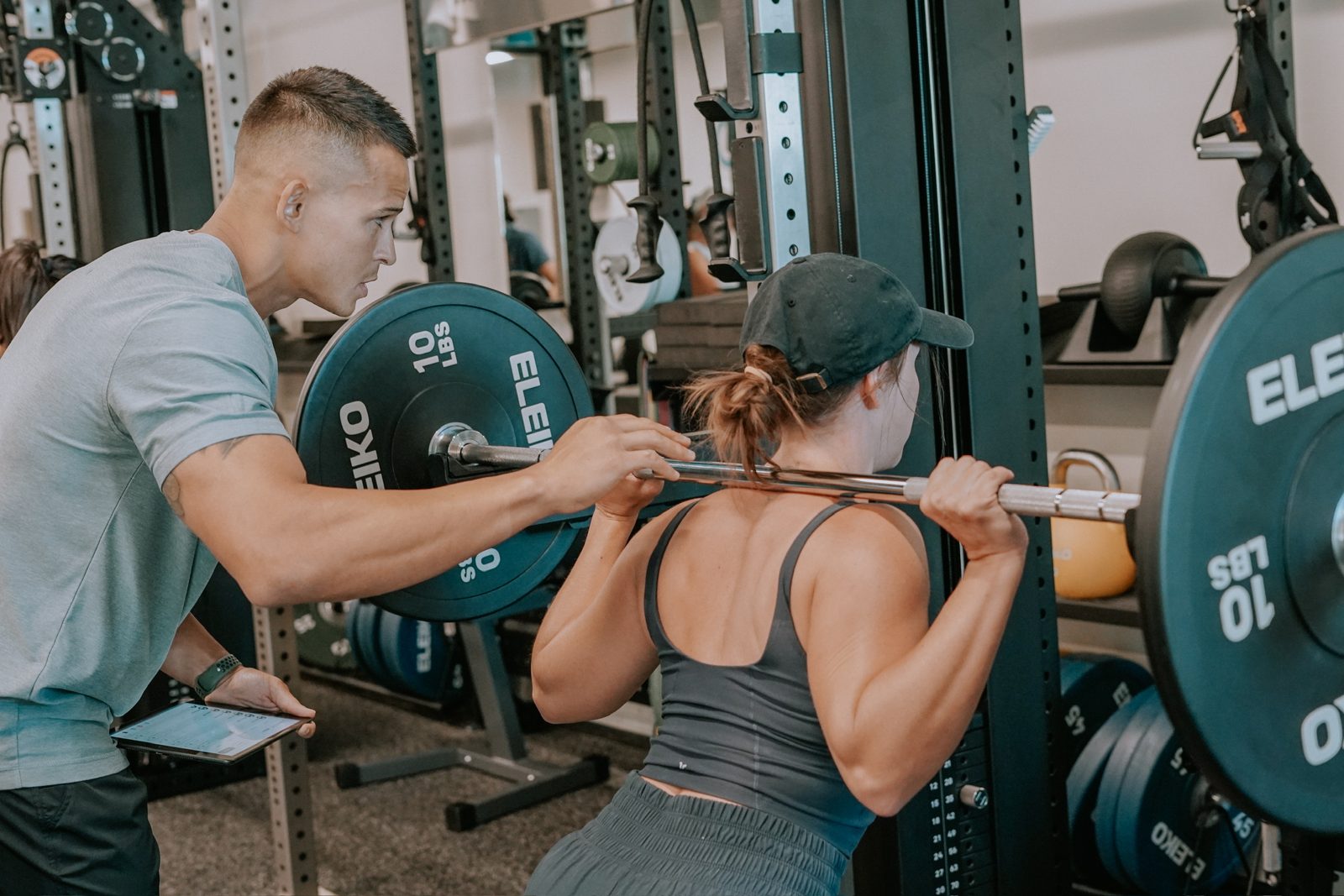
Coached small-group training provides a scheduled setting with instruction. Ask about group size, individual adjustments, introductory support and booking capacity. Our explanation of small-group training describes the proof3 format.
Individual coaching can offer a more private setting and concentrated attention. Compare how sessions are planned, delivered and reviewed rather than assuming the label guarantees clinical expertise.
Remote support may reduce travel and broaden location access. It can range from recorded content to personal coaching, so examine the actual service. The overview of remote coaching explains one approach.
Assessment events can introduce participants to fitness information. They are different from a recurring activity benefit and need a clear interpretation and follow-up plan.
Use one comparison sheet for all quotes
- Eligibility: who can use the offer, and how are changes handled?
- Access: which locations, times and booking rules apply?
- Instruction: what support does a beginner receive?
- Adaptation: how are exercises adjusted and restrictions considered?
- Cost: what is included, additional or nonrefundable?
- Commitment: what renews or expires, and how can the employer exit?
- Reporting: what information is shared, with whom and for what purpose?
Ask every provider to respond to the same workforce scenario. Otherwise, one quote may assume a small introductory group while another assumes ongoing access for all eligible employees.
Test local convenience against actual travel
For employees near the Salt River area, a nearby studio may be practical. Others may commute from another direction or work mainly from home. Test the route at the likely attendance time, including parking, changing and the return journey.
A local benefit can be one component of a broader offer. Do not describe it as equally usable for employees who cannot reasonably reach the venue. Ask how alternatives would be funded and administered.
Check the first-visit experience
Request a clear explanation of arrival, consent, instruction and questions. Ask how someone who has never lifted weights gets started and what happens if an exercise is uncomfortable. Staff should know when a question belongs with a clinician.
Consider whether employees want a shared activity or primarily private support. A team event and an ongoing membership answer different needs, even when delivered by the same provider.
Keep evidence and marketing separate
The Illinois randomized workplace-wellness trial found no significant effects on measured physical health or healthcare use after 24 months. Its findings concern that intervention and population, not every possible service.
When a vendor promises savings, better productivity or lower absence, ask what supports the claim and whether it applies to the offer being quoted. Testimonials can illustrate experience but cannot establish a causal business effect.
Choose a manageable next step
A small voluntary introduction may help test logistics. An ongoing trial is needed to learn about repeat attendance. Set the question and review criteria before inviting employees, and avoid collecting personal health data merely to make a report look comprehensive.
Should every employer buy the same access model?
No. Workforce location, schedules, confidence and desired support should shape the choice.
How should proof3 be compared?
Request current service and commercial details and place them alongside other quotes using the same criteria. Confirm capacity, terms and availability rather than assuming a package described elsewhere is still offered.