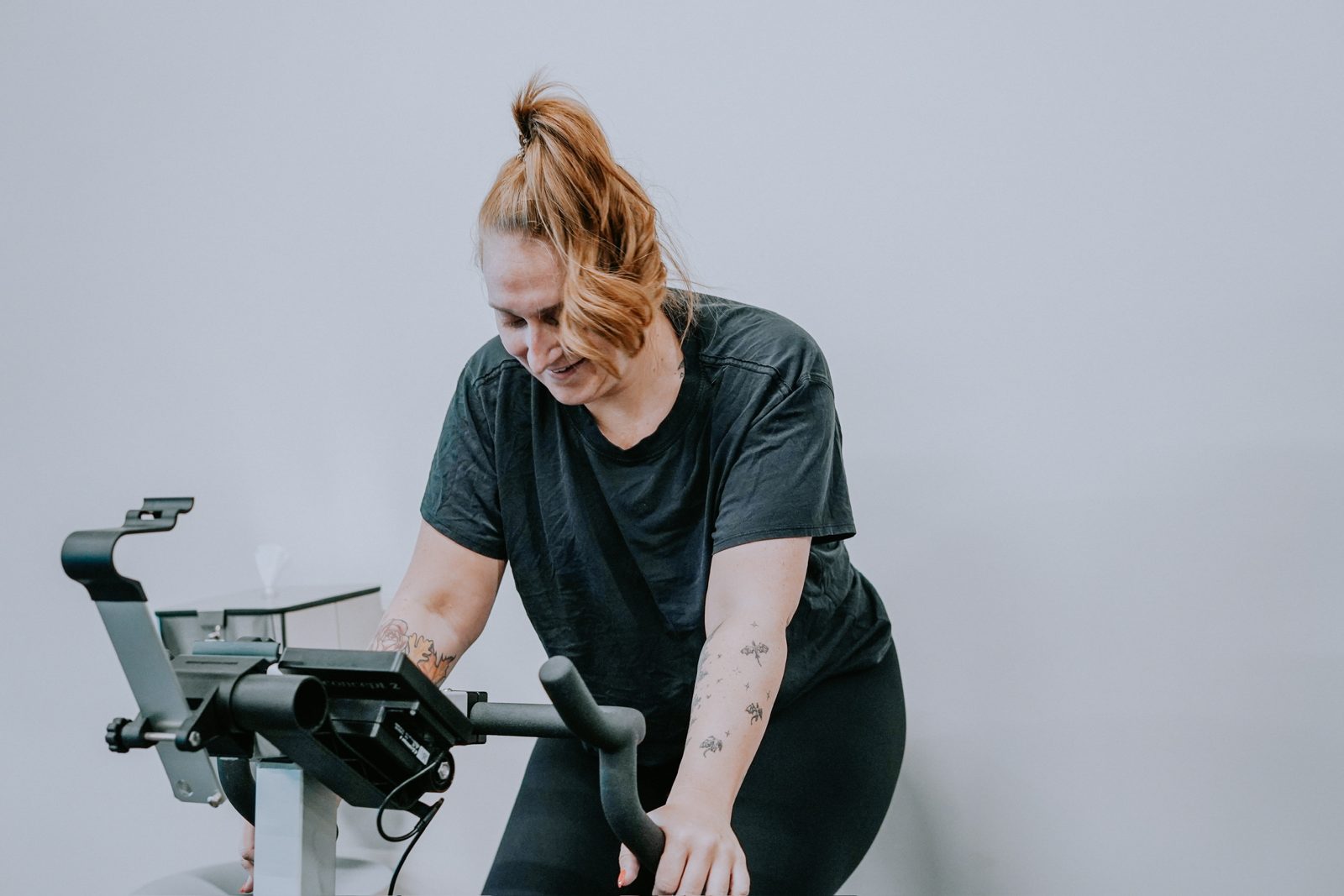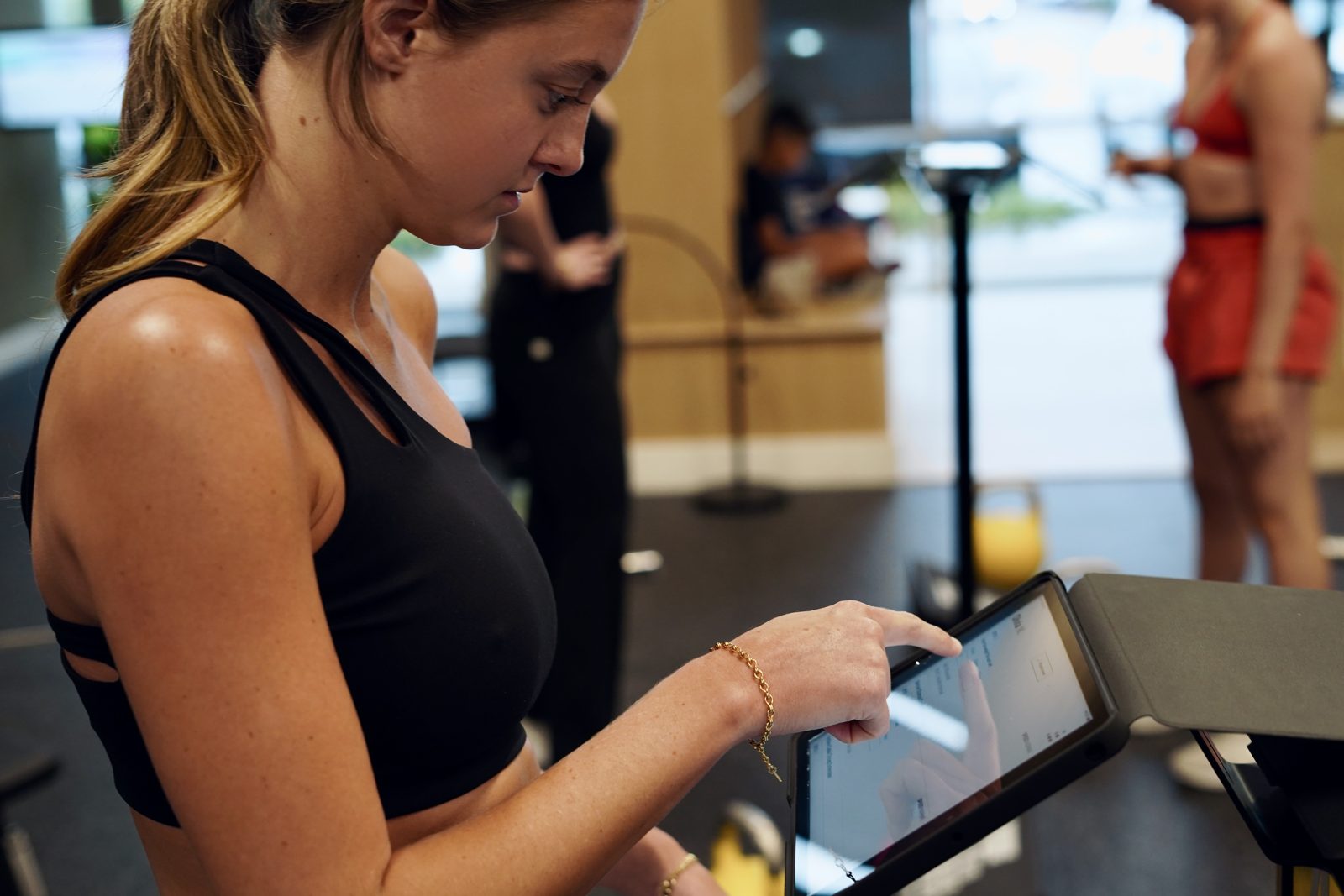
An inclusive fitness benefit gives people a usable way to participate without requiring everyone to train the same way. It also respects the choice not to participate. A launch message that says “all abilities welcome” is only a beginning; the booking process, facilities, coaching and information practices need to support that promise.
For HR teams, inclusion is an operational review. Ask what a person needs to use the service and where the current arrangement might exclude them. Avoid assuming that disability, age, body size or prior experience tells you what someone wants.
Review access before asking people to enroll
Map the journey from the first message to the first visit. Can an employee understand the offer, ask a private question, book a suitable time and reach the venue? What personal cost or equipment does the service require?
Include people from different shifts, locations and job types in the review. A program designed around a manager's lunch break may work poorly for a customer-facing employee who needs coverage. Consider transport, caregiving and access to private space for remote sessions.
Ask vendors how adjustments work
Ask how a participant requests an exercise variation, additional instruction or a different format. Establish a contact route for accessibility questions before the first session. Staff should be able to explain what they can provide and when another professional's advice is needed.
The CDC's activity guidance for chronic conditions and disabilities recognizes that appropriate activity depends on individual abilities and circumstances. A workplace benefit should make room for that variation rather than create a single performance standard.
Ask about accessible entrances, toilets, changing areas, equipment space, communication needs and arrival instructions. A checklist cannot establish that every accommodation is available; confirm the actual arrangements with the provider and participant.
Keep participation and personal disclosure voluntary
Make it clear who is eligible and how to decline without explaining a medical reason to a manager. Do not tie fitness scores, body weight or attendance rankings to employee performance. A group invitation can still create pressure if supervisors repeatedly ask who has not joined.
Some participants need to discuss health restrictions with the provider. Give them a direct, private route. Keep that conversation separate from employer reporting and explain the provider's role and data practices.
Check the economics of participation
A partially subsidized membership can still be unaffordable. A “free” session can still carry transport costs or lost personal time. State employee contributions, cancellation charges, equipment requirements and any upfront payments plainly.
If different groups receive different options, explain the rationale and review the design with your benefits advisers. Do not assume an identical cash amount produces equal access in every location.
Choose welcoming communication
Describe what happens in a session, how instruction is provided and how participants can ask for help. Avoid before-and-after body images, weight-loss competitions and language that equates appearance with health or commitment.
New participants may find a practical description more useful than motivational messaging. The guide to choosing a beginner strength program explains the kind of instruction to ask for. Our overview of personalized small-group training describes how people can share a setting while using different exercise options.
Review privacy at the reporting stage
Aggregate data can still reveal people in a small group. Agree which administrative measures the employer actually needs and avoid collecting personal health information merely because a dashboard can display it. Set access, retention and small-group reporting rules before launch.
Have privacy, legal and benefits advisers review the arrangement where needed. This planning checklist is not a determination that a particular incentive or data practice satisfies applicable requirements.
Check who the program is still missing
Invite feedback from nonparticipants as well as enthusiastic users. Ask about specific barriers without asking people to justify their bodies, health or choices. A useful review ends with a named improvement and a date to reassess it.
Does inclusion require one format for everyone?
No. Different formats can support fair access when their purpose, support and eligibility are clear.
Where should an employer start with proof3?
Discuss the workforce and access requirements with the team. Confirm the specific arrangements before describing a service as accessible to everyone.