A gym discount is a benefit. Being able to use it without missing an essential meeting, losing pay or feeling judged is an everyday work practice. Workplace wellness depends on how those two things fit together.
For employers, the useful question is not whether perks are good or bad. It is whether the working environment allows employees to use the support being offered. This guide separates the offer on the benefits page from the experience of an ordinary workweek.
What is a perk, and what is a culture practice?
A perk is a resource an organization makes available: a fitness subsidy, coaching access or an optional activity. A culture practice is a repeated behavior or operating decision, such as scheduling reasonable breaks or making participation genuinely optional. Flexible hours can be both a formal benefit and a working practice; the distinction is how the policy is used.
Consider an employee whose membership is subsidized but whose manager regularly books meetings across the only usable class time. The benefit exists, yet access remains difficult. Changing the meeting pattern may matter more than adding another promotional email.
Start with barriers employees can describe
Ask about time, travel, confidence, cost and the experience of joining. Avoid asking employees to disclose diagnoses or weight to explain why a benefit does not work for them. Useful questions include:
- Which available times could you actually attend?
- What would make a first visit easier?
- Would you prefer independent activity, individual guidance or a group?
- Do you feel comfortable choosing not to participate?
A small listening exercise is not proof of the whole workforce's preferences. Include different shifts and locations, and provide a private way to respond. Then report what you heard and what you can realistically change.
Give managers a clear, workable role
The CDC's employer guidance includes manager support and practical access to physical activity. Turn that principle into an operational agreement: explain when breaks are available, how coverage works and whether participation falls within paid or personal time.
Managers should communicate the options without monitoring individual fitness behavior. An invitation from a supervisor can feel compulsory even when the email says otherwise. Avoid attendance comparisons in team meetings and keep fitness participation separate from performance reviews.
Make social activities welcoming without making them a test
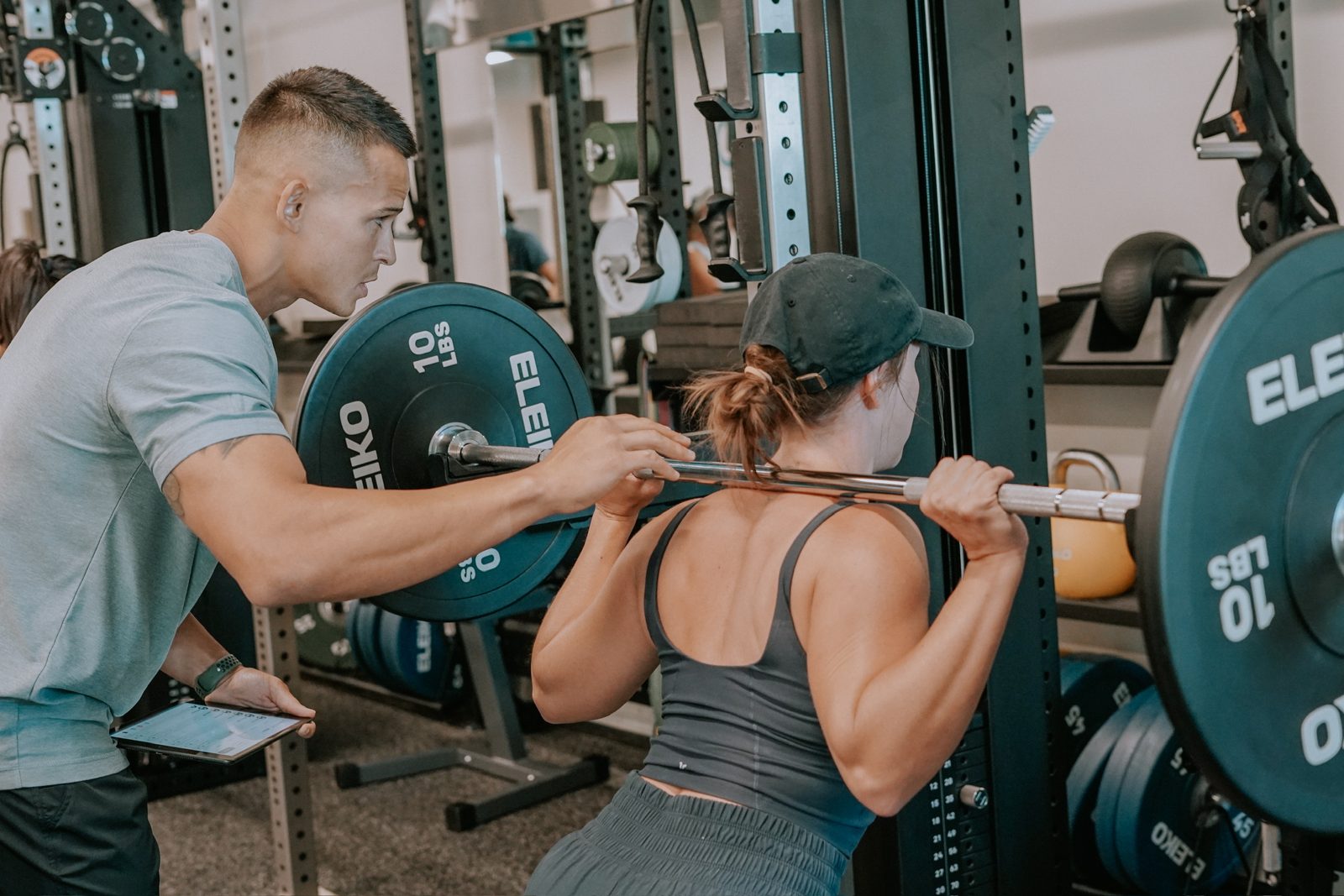
Some people value a shared session; others prefer privacy, another activity or no fitness benefit. Offer a clear description of the setting, the level of instruction and how exercises can be adjusted. Our explanation of individual coaching within small-group training can help employees understand one available format.
Keep team recognition focused on the support provided, such as offering another session time. Do not celebrate weight loss, publish body-composition results or imply that athletic participation shows greater commitment to the organization.
Measure whether access improved
Track a small set of questions over time: did people understand the offer, could they book, did the available times work, and did those who tried it want to return? Include feedback from eligible employees who never enrolled. Attendance alone cannot tell you whether the culture is supportive.
A practical first change might be a consistent booking message, an additional time slot or a clearer explanation of costs. Choose one change, name an owner and review whether the barrier became easier to navigate. This is an operating improvement, not a guarantee of health or financial outcomes.
Questions employers often ask
Can a benefit become part of the culture?
Yes, when ordinary decisions make it usable. That requires ongoing attention to schedules, manager communication and employee choice rather than a larger launch campaign alone.
Does group participation prove that a program is working?
It shows that some employees attended. Ask whether the experience was useful and accessible, and whether nonparticipants encountered barriers.
Explore a local training option
For Scottsdale employees who want coaching and a group setting, discuss the fit with the proof3 team. The guide to small-group accountability explains the participant experience. For an employer arrangement, ask about current availability and terms before communicating an offer.