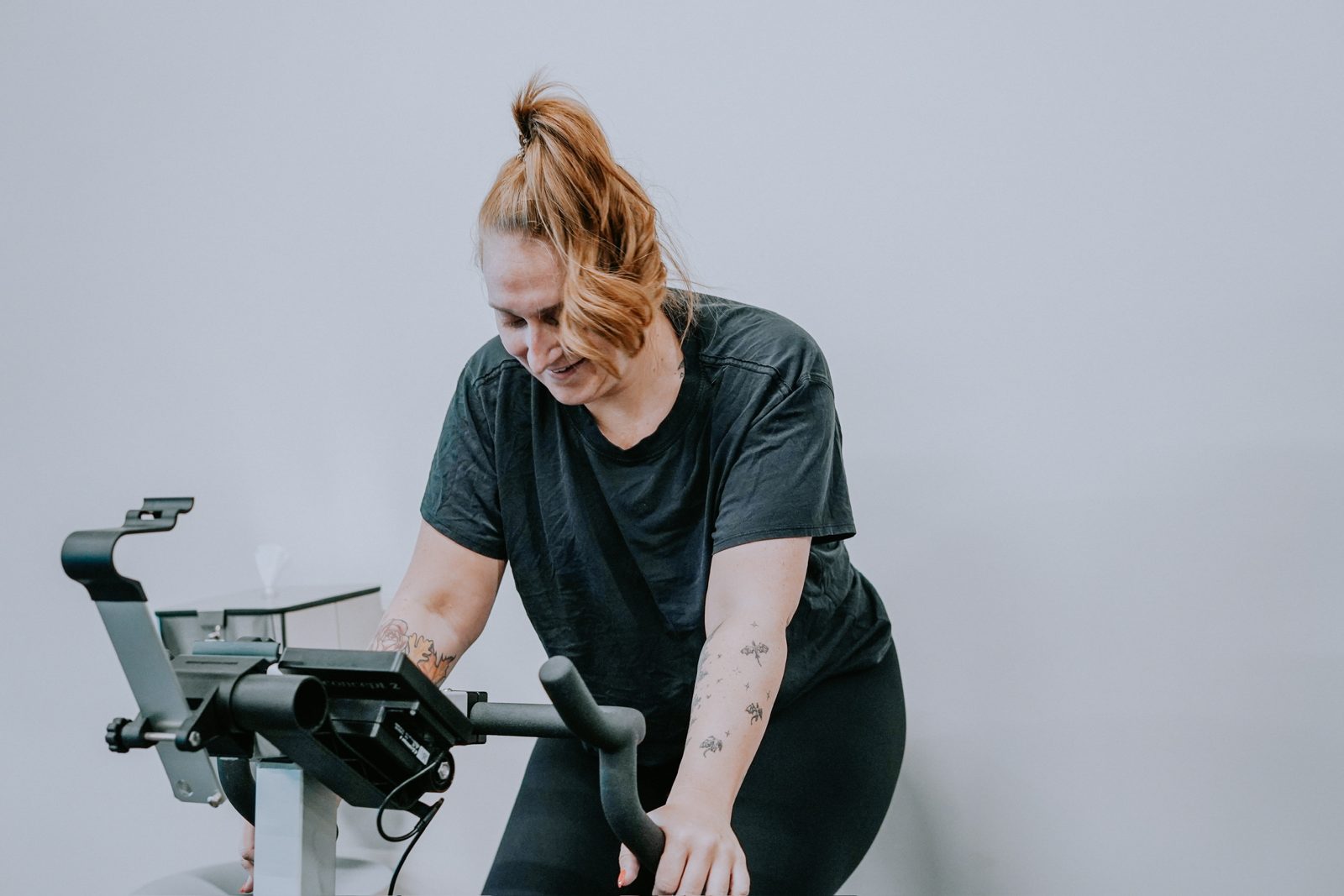
The short answer: eat enough high-quality protein, don't live in a constant calorie deficit at or below your BMR, strength train consistently (most of our members do about 3 days a week), and support it all with sleep, water and daily movement. None of this is exotic. It matters more on a GLP-1 because you are likely eating less, and losing weight faster.
Will I lose muscle on a GLP-1?
Probably some, yes. But the best data I found reframes the question. In SURMOUNT-1, a large tirzepatide trial in adults without diabetes, 160 people had DXA scans at the start and after 72 weeks. The tirzepatide group lost 21.3% of body weight versus 5.3% on placebo, and lean mass fell 10.9% versus 2.6% [source].
Look at the mix, though. On tirzepatide, 74% of the weight lost was fat and 26% was lean mass. On placebo it was 75% and 25% [source]. The drug didn't change the mix of weight that came off. It changed how much came off. More total weight lost means more total pounds of lean mass lost.
Two caveats. Lean mass on a DXA scan isn't the same as muscle, because it also counts water, organs and other non-fat tissue [source]. And nobody in the study followed a structured strength program, so we don't know how much lifting would have changed the picture [source]. Body composition also wasn't one of the trial's registered outcomes, so treat it as an exploratory look [source].
Why does eating less put muscle and bone at risk?
When you eat fewer calories, you usually eat less protein too. Add no strength training, and you can expect to lose muscle whether or not you take a GLP-1. In our experience, losing muscle and losing bone tend to travel together. That matters for people over 40, many of whom didn't start with much muscle, so they already face a higher risk of bone density problems than a 30-year-old who has built muscle.
A fair trade-off. Losing body fat and visceral fat is often worth the work. For people carrying a lot of both, we think carrying that fat is typically more dangerous than losing a pound of muscle. The goal is to lose fat while holding on to as much muscle as you can.
What should I actually do?
- Eat enough high-quality protein to support your muscle, and eat good food overall.
- Don't stay in a perpetual deficit. Most people need a deficit to lose weight, but eating at or below your Basal Metabolic Rate isn't sustainable. We'd expect you to burn through muscle, and potentially worse, the longer you stay there.
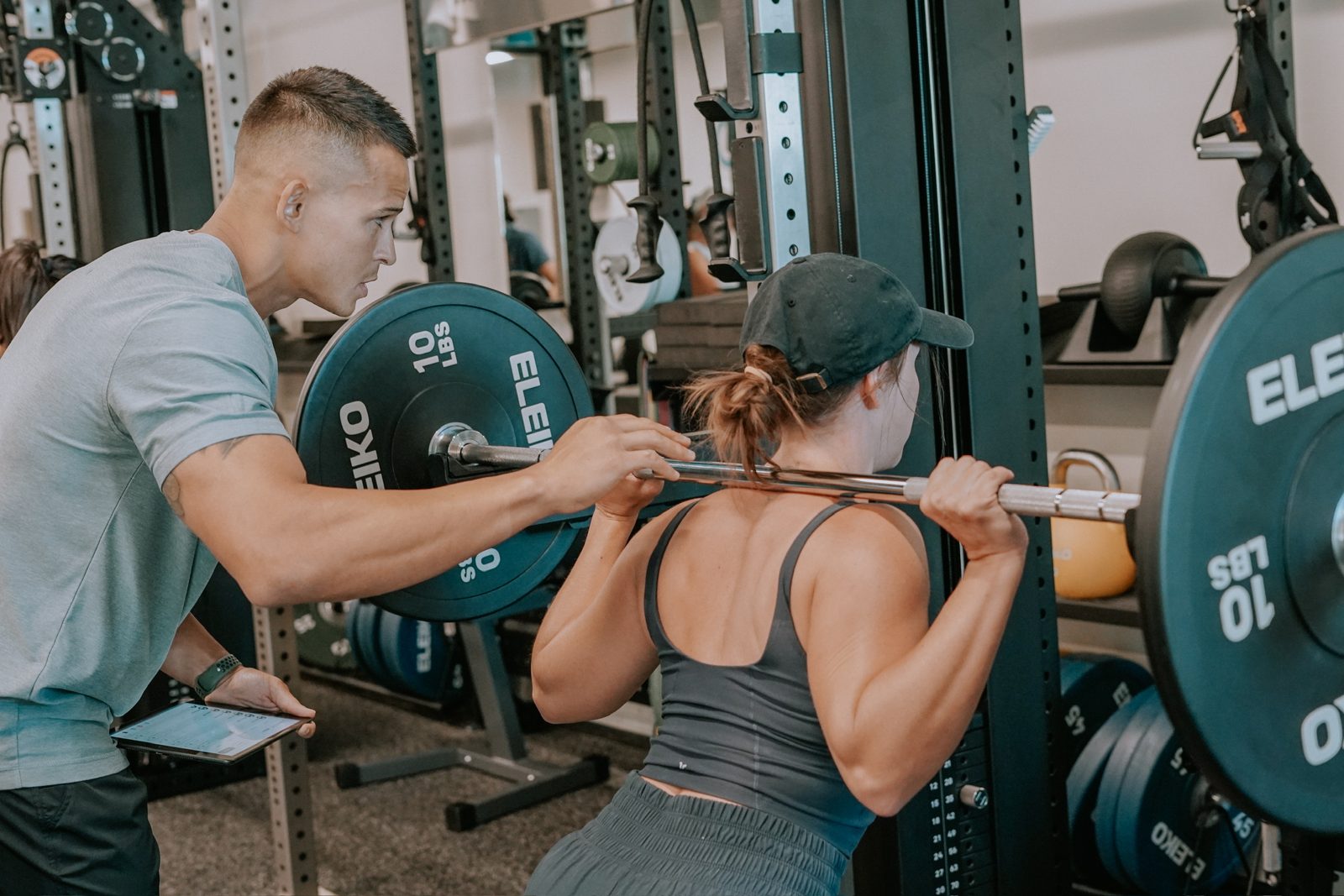
- Strength train consistently. Most of our members train 3 days a week, which gives you the best chance to build muscle and bone density, because building muscle directly supports building bone density.
- Do the lifestyle work: water, sleep, movement, sunlight within reason, lower bad stress, purpose, relationships and rhythm. It quietly magnifies good results in the background.
Do I need a baseline scan?
It helps. We estimate about half of the GLP-1 users we meet never had a "before" scan of their muscle and bone density. A year ago we'd have said 75%, so awareness is rising. A baseline gives you something real to measure against.
What don't we know yet?
Trials are now testing resistance exercise and protein during GLP-1 treatment, such as LEAN-PREP, with primary completion listed for 2029 [source]. When they report, we'll know whether training changes that 26% lean share of weight lost. Until then, our stance is simple: we think training and protein are your best bet.
Takeaways
- Eat enough protein and avoid living at or below your BMR.
- Lift about 3 days a week to support muscle and bone.
- Sleep, hydrate and move daily. Make any medication changes with your prescribing doctor.
We coach training, lifestyle and nutrition, not medication. If you're on or considering a GLP-1, talk with your doctor about decisions on the drug itself. Read the full article, Do GLP-1 drugs cost you muscle? What one big trial actually measured, for the details behind this post.
Want the full research breakdown? Read Do GLP-1 drugs cost you muscle? What one big trial actually measured.
This article is for general education about fitness and health. It is not medical advice. Talk to your doctor before changing medication, diet or training because of anything here.
Live Stronger For Longer
Replace guesswork with data-driven strength and endurance training built around how your body actually moves.
No commitment. A coach will call you back — usually the same day.