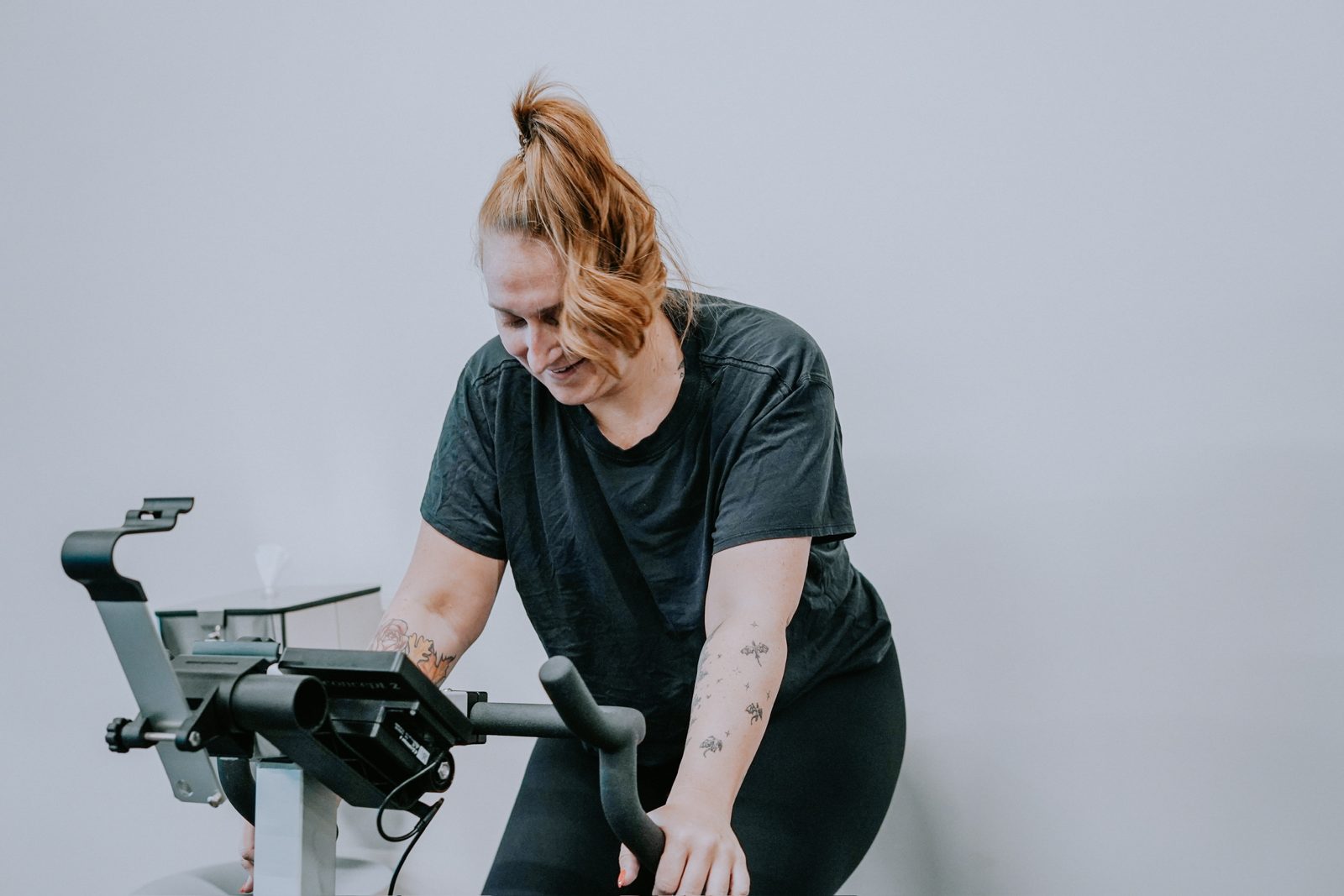
A trial visit is an opportunity to test the service you would actually use. A welcoming tour matters, but it cannot tell you whether the busiest evening session has space or whether you can get help choosing a weight.
Before visiting a Scottsdale gym, identify your likely training times and the support you want. Then use the same seven questions at each location. Write down the answers while the experience is fresh, including anything that remains unclear.
1. Does this session match my main goal?
Describe your goal in everyday language: learning to lift, getting stronger for an active lifestyle or establishing a routine after time away. Ask the coach how a typical session supports it and what activity you might need outside the gym.
A class can be enjoyable without covering every goal. Find out how much time is available for strength work, aerobic activity and instruction. Compare the response with your priorities rather than assuming a difficult workout is automatically the right program.
2. What help will I receive while I train?
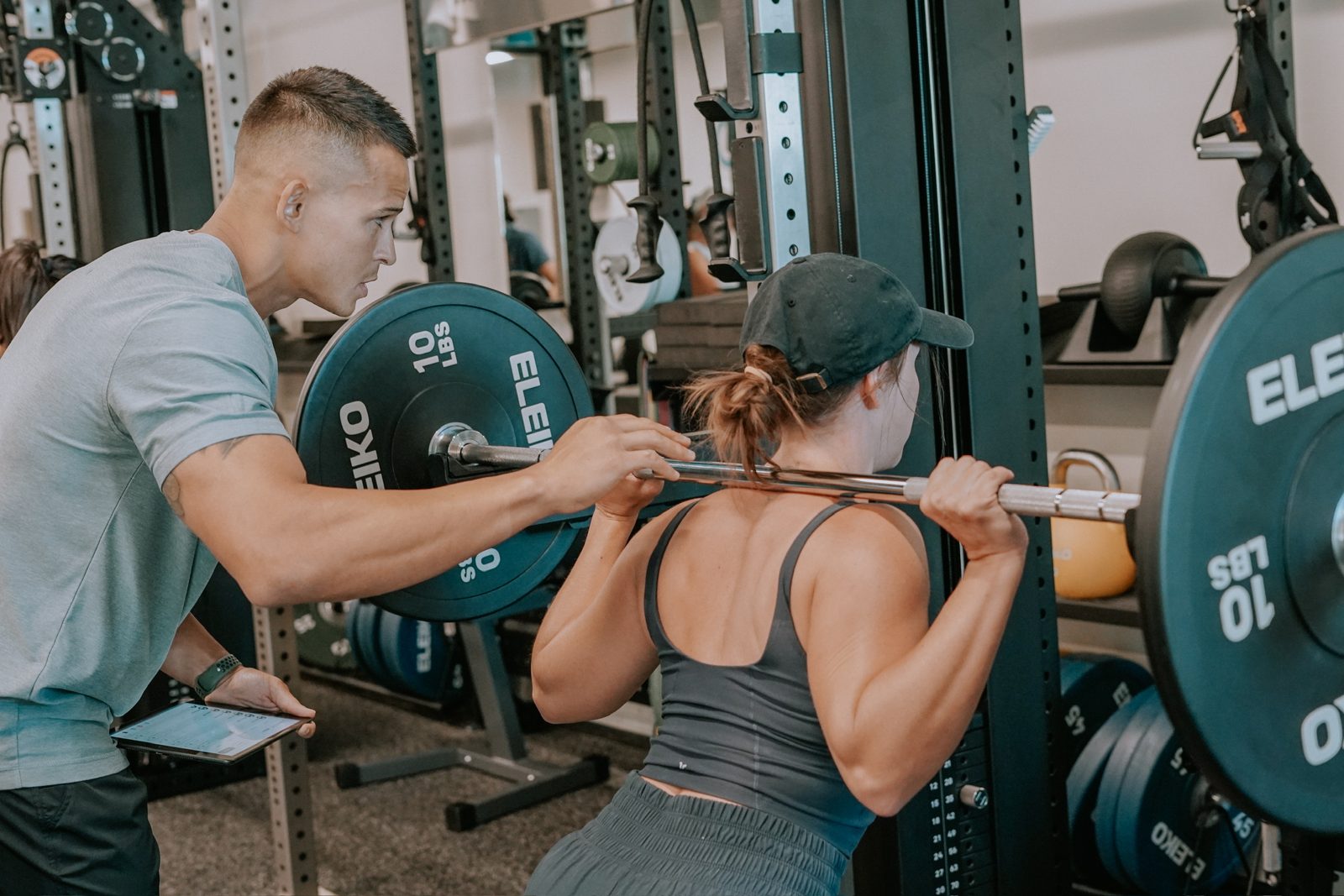
Ask who introduces beginners, demonstrates exercises and observes members during normal sessions. Notice whether the coach explains a specific adjustment and checks whether it helped. Ask how you would request another demonstration.
Coaching needs differ. An experienced exerciser may want independence; someone learning unfamiliar movements may want more guidance. Our comparison of open gym and coached training explains why access to equipment and access to instruction are different services.
3. How does the program develop?
Ask how sessions connect over several weeks. Which movements will you practice again, what will be recorded and how will the coach decide when to make the work harder?
The ACSM's 2026 resistance-training guidance emphasizes regular participation and individualization. Complex programming is not a requirement for a credible beginner service. A coach should be able to explain the reasoning without hiding it behind terminology.
Look for continuity rather than novelty alone. Repeating an exercise can provide useful practice and a clearer comparison; progression does not mean adding weight every visit.
4. Can I use the schedule I am being shown?
Visit at the time you expect to attend. Check the trip from work or home, parking and the journey afterward. Include the full visit in your calendar instead of comparing session length alone.
Ask about reservations, waiting lists, cancellation rules and a backup time. A published class schedule is not proof that every class has an available place. If travel regularly interrupts your week, discuss how the service handles a return.
5. How will we review progress?
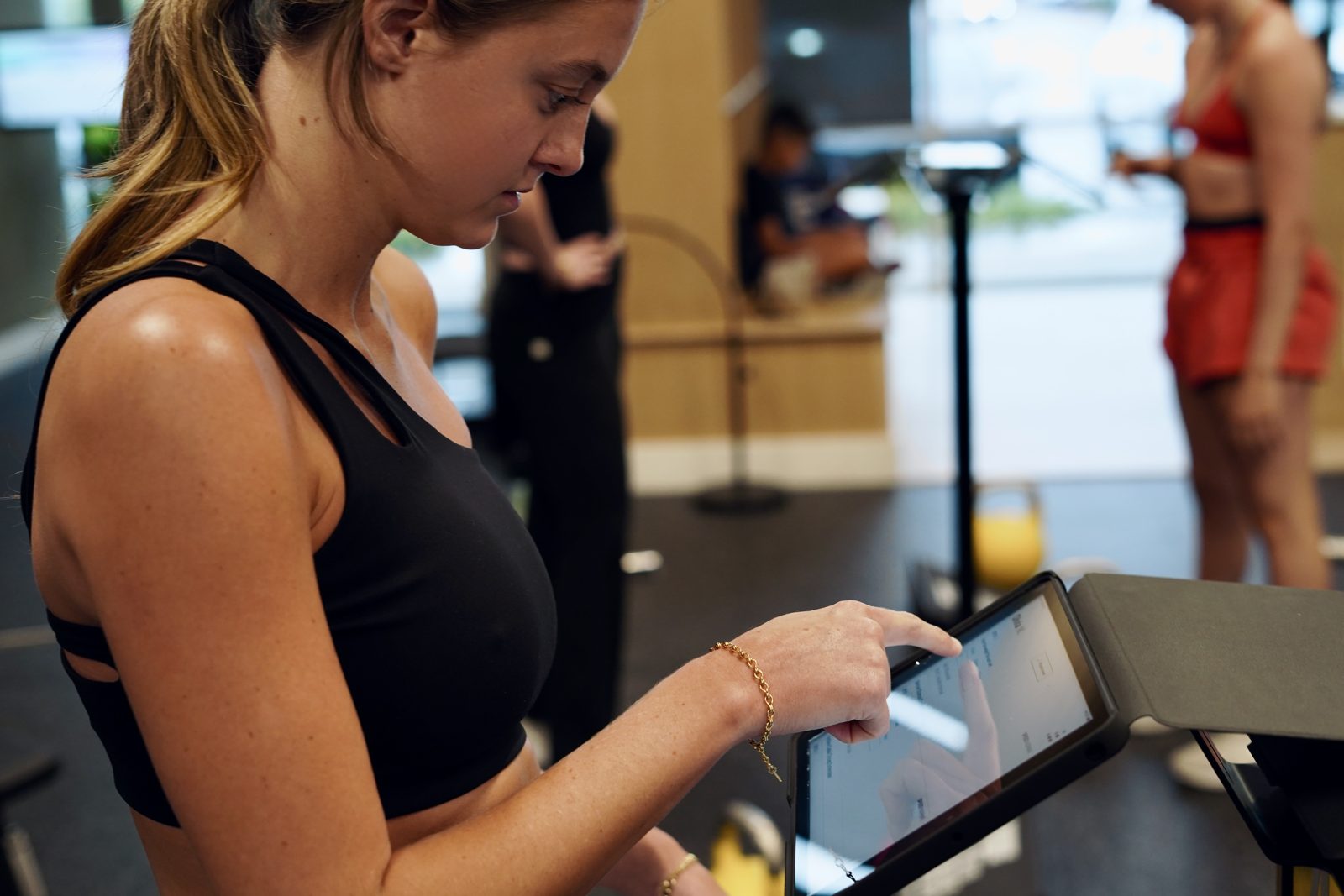
Ask which measures relate to your goal and what happens when a result is unclear. Useful tracking can include comparable exercises, attendance and appropriate assessments. A dashboard should support a conversation rather than leave you interpreting unexplained scores.
Body-composition devices provide estimates that require context. Ask about preparation, repeat testing and the limits of the method. The article on understanding strength progress offers examples of more meaningful comparisons.
6. Will I feel comfortable returning?
Observe the ordinary interactions. Are newcomers shown where to begin? Can people ask for exercise alternatives without embarrassment? Is there space for someone who wants to train quietly as well as someone who enjoys conversation?
Ask what happens after a missed week. Accountability should feel like support you have agreed to receive. Public comparisons of bodies, attendance or ability may not suit the experience you want.
7. What is the complete commitment?
Request the price, included services, introductory arrangements, renewal terms and cancellation policy in writing. Clarify whether assessments, personal sessions or program reviews cost extra. Compare what you will use rather than a headline monthly rate.
After the visit, record three things: what fit, what did not and what still needs an answer. You do not have to decide immediately because a tour was friendly or a workout felt demanding.
Should I try more than one format?
That can help when you are uncertain about guidance or group size. Try the service you would buy, rather than relying on a different introductory experience.
Where does proof3 fit?
Read how small-group training works at proof3, then ask the team about a suitable introduction. Use the same questions to decide whether the setting fits your goals and week.