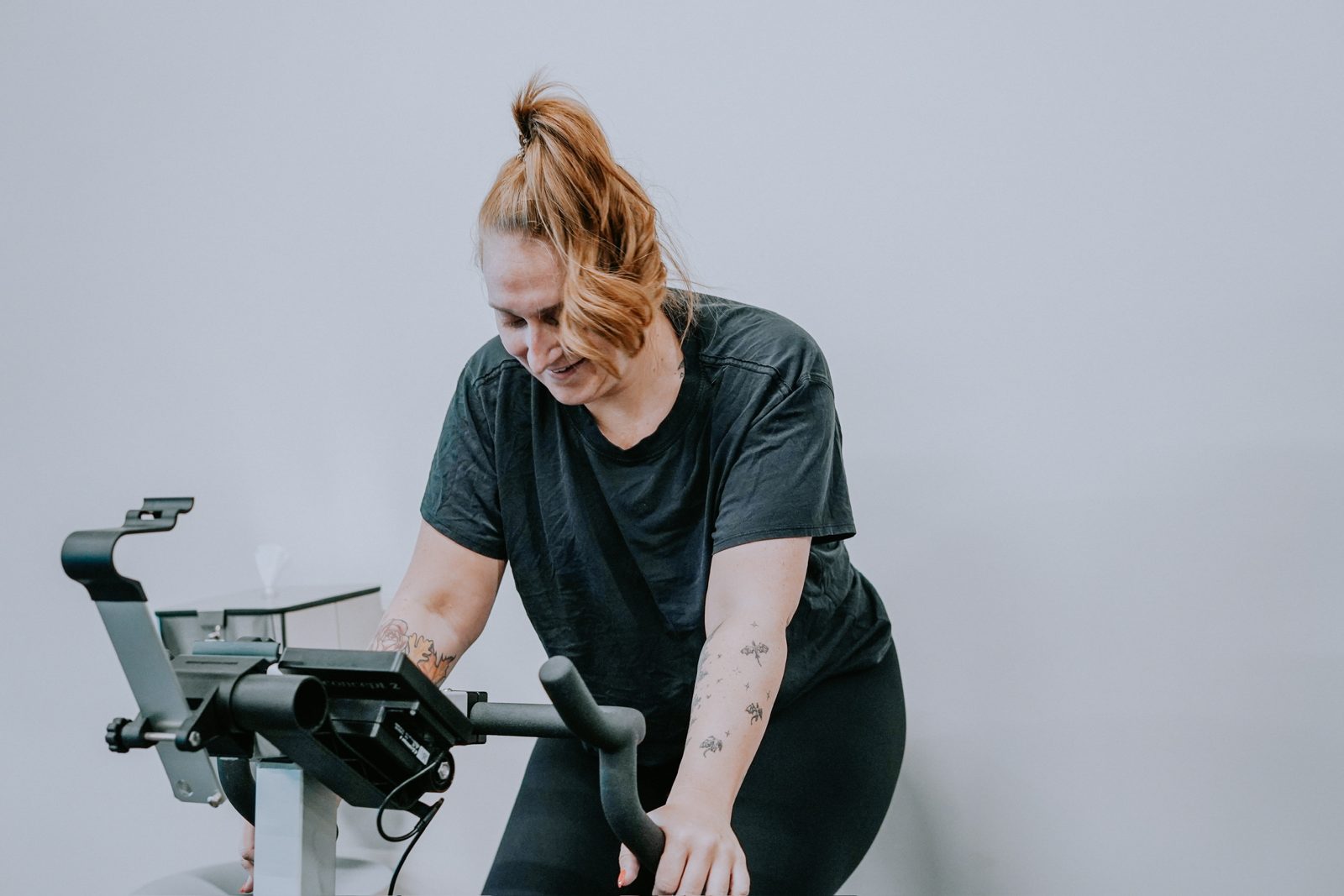
There is no birthday after which every strength workout requires the same number of recovery days. After 50, your training history, recent workload, health circumstances and activities outside the gym remain essential parts of the decision.
A useful recovery plan answers a practical question: what amount of training can you repeat while maintaining the intended movement and effort? This guide focuses on adjusting a demanding week, rather than prescribing a universal interval between sessions.
What the research can tell us about age
A scoping review of resistance-exercise recovery in older adults found substantial differences in study methods and gaps in the evidence. Much of that literature concerns adults over 65. It does not establish a single recovery deadline for everyone over 50.
Age can provide context, but it should not replace an individual review. Someone beginning after years away may respond differently from a person who has trained regularly, even when they are the same age.
Start with the work you are recovering from
Write down the week as a whole. Include strength sessions, tennis, golf, hiking, physically demanding work and travel. Then identify which activities are hardest or most unfamiliar. An easy walk and a demanding lower-body workout do not create identical recovery needs.
When a week becomes crowded, ask your coach what can be reduced, moved or changed. The answer might be fewer demanding sets, another exercise choice or a less strenuous session. Recovery planning is partly about controlling the workload before fatigue becomes a problem.
Use several observations together
Before a session, consider sleep, general energy, muscle tenderness, ordinary movement and performance in recent comparable workouts. These observations are more informative together than as isolated scores.
- Familiar effort, normal movement: discuss whether the planned session remains appropriate.
- Unusually tiring week: explain the context and consider reducing demands.
- Repeated performance decline: review the program, attendance, food intake and health circumstances.
- Pain, illness or a new limitation: pause the relevant activity and seek appropriate guidance.
This is a conversation framework, not a medical clearance system. Feeling motivated does not rule out an injury, and a low readiness score from a wearable does not automatically mean you should cancel.
Plan session spacing without turning it into a rigid rule
For someone doing demanding full-body sessions, nonconsecutive days may be a convenient starting arrangement. Consecutive training days may also fit when the exercises and demands are appropriately adjusted. Discuss how the work differs instead of repeating the same hard session by default.
Review training-frequency planning with your coach. If a tennis tournament or hiking weekend is approaching, plan around it early rather than adding recovery as an afterthought.
Protect basic recovery opportunities
Allow enough time for sleep and eat regular meals that support your activity. The American Academy of Sleep Medicine and Sleep Research Society consensus recommends at least seven hours of sleep regularly for adults aged 18–60; sleep needs and health circumstances vary beyond a simple target.
A rest day does not require immobility. Comfortable everyday activity may suit you, but it should not become another demanding session disguised as recovery. Follow individual clinical advice about activity, nutrition or fluids where relevant.
Know when this is more than a scheduling question
Persistent or worsening pain, major swelling, unusual weakness or difficulty with ordinary tasks needs more than another rest-day calculation. Discuss concerning symptoms with a clinician. Our guide to starting strength training after 50 explains how goals and current abilities fit into a plan.
Must I wait until every trace of soreness disappears?
Not necessarily, but soreness alone cannot establish readiness. Your coach can review the intended work; possible injury symptoms need clinical assessment.
How should I review a difficult week at proof3?
Bring your activity calendar and explain what changed. Agree what to keep, what to reduce and when to review again. That produces a more useful plan than assuming age alone explains fatigue.